

New York [US], July 15 (ANI): India on Tuesday (local time) reiterated its call for comprehensive reforms of the United Nations (UN), stressing the urgent need to reform the UN Security Council (UNSC), revitalise the General Assembly and strengthen the role of the Economic and Social Council (ECOSOC) to make multilateralism “fit for the future”.
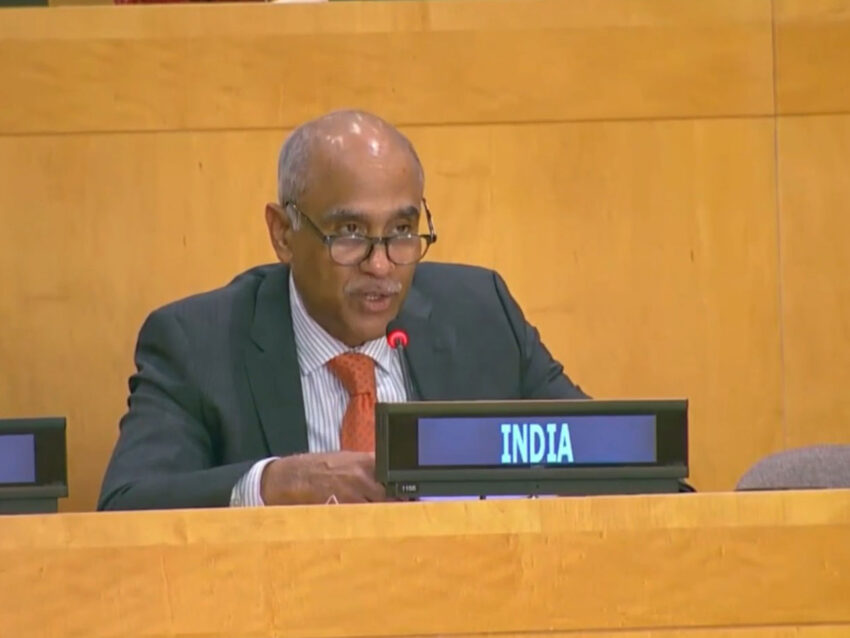
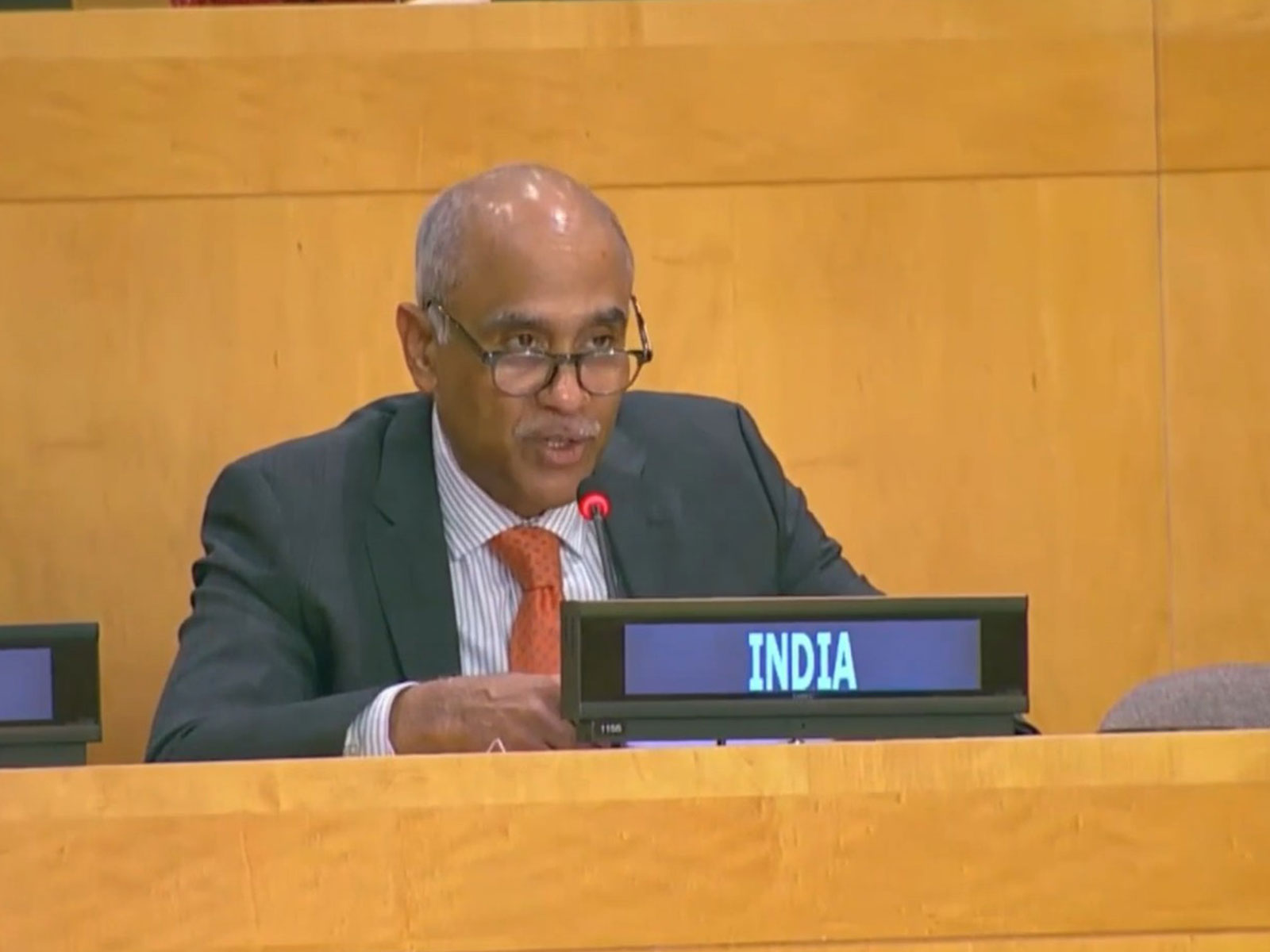
Addressing the Ministerial Roundtable on ‘Making Multilateralism Fit for the Future’ during the informal meeting of the UN General Assembly on taking stock of the Pact for the Future, India’s Permanent Representative to the UN, Ambassador Harish Parvathaneni, said, “For India, making multilateralism fit for the future begins with ensuring that global institutions reflect contemporary realities. This underscores the urgent need for comprehensive reform of the Security Council, the revitalisation of the General Assembly, and the stronger role for ECOSOC in advancing sustainable development in its three dimensions – economic, social and environmental.”
Highlighting concerns over the UN’s effectiveness, Parvathaneni said public confidence in the organisation had suffered due to the Security Council’s inability to respond effectively to ongoing conflicts.
He said, “Public perception about the UN has changed adversely in the recent past primarily due to the Security Council’s inability to meaningfully intervene in raging conflicts across different parts of the globe. The Security Council has been ineffective in putting an end to human suffering among the affected populations. The foundational principle for the establishment of the United Nations – maintenance of international peace and security – has therefore been called to question.”
He argued that the Council’s shortcomings stem from its outdated structure. He said, “The underlying reason for inadequacies of the Security Council is evident. An eighty-year-old architecture designed for the 1940s is ill-equipped to address contemporary challenges. As a collective, the UN has not been able to move the needle on reforming the Security Council. The discussions so far have been limited to an endless cycle of prepared statements under the IGN framework. Action points 39 to 41 have largely remained on paper. This is untenable and must change.”
Referring to the Pact for the Future, the Indian envoy said the action points on Intergovernmental Negotiations (IGN) were drafted by the then IGN Co-Chairs rather than the Pact’s Co-Facilitators, and noted that India had “significant reservations” regarding those provisions. However, he said India supported the Pact in a “constructive spirit”.
Parvathaneni also called for reforms of the international financial architecture, saying, “Adequate, affordable and predictable financing remains indispensable for achieving the Sustainable Development Goals. International financial institutions should become more representative, responsive and development-orientated, while preserving their mandates.”
Reaffirming India’s commitment to global governance reforms, he said, “India emphasises that we will continue to support all genuine efforts to implement reforms in global governance institutions, including the UN Security Council and the IFIs. Our joint endeavour must be to make these institutions fit for purpose, equipped to handle the present and future challenges of humanity.” (ANI)