

Nichole Dandrea-Russert is on a mission to get people to eat more plants.
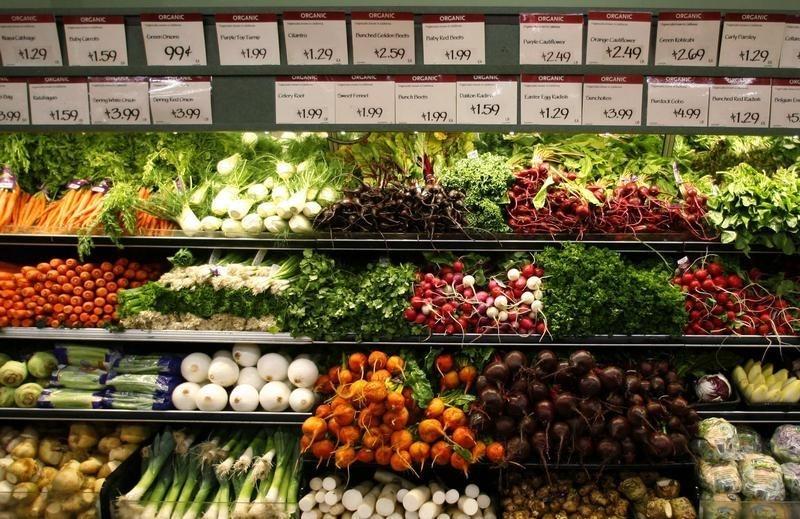
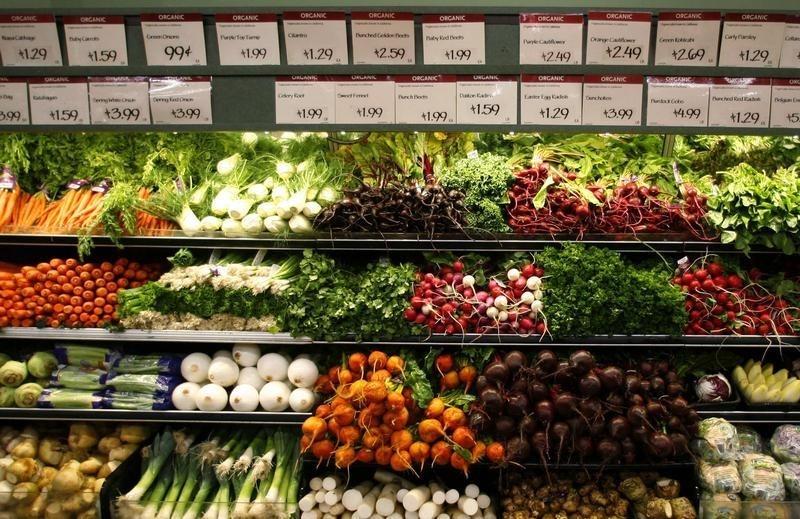
As a registered dietitian who eats a strictly plant-based diet, she encourages people who want to eat a healthier diet to practice what she calls layering. Instead of eliminating entire food groups and overhauling your diet overnight, start by adding grains, vegetables, beans, seeds, herbs and other colorful, vibrant plants to the meals that you already enjoy. Eventually, those foods will start to crowd out the less nutritious foods from your diet.
Dandrea-Russert said that people who take her advice and add more plants to their meals usually tell her that they notice three things.
“One is that they have more energy,” she said. “Two is that they feel lighter, and that’s probably because they’re eating more fiber, which is filling them up and causing them to eat fewer calories. And the third thing they tell me is that they’re sleeping better. And those are just from simple additions – not from taking any foods away.”
ADVERTISEMENT

Dandrea-Russert has written several books on plant-based eating, including “The Fiber Effect,” which teaches people how to manage their weight, improve their health and lower their risk of chronic diseases by following weekly meal plans filled with fiber-rich whole foods.
Her latest book, “Powered by Plants,” which she co-authored with Ocean Robbins, shows people how they can get protein, omega-3 fats, calcium and other essential nutrients from plants. It includes dozens of tasty and convenient plant-based recipes, as well as detailed guides on how to cook things like grains, beans and lentils from scratch.
In addition to writing books and developing recipes, Dandrea-Russert runs a clinical nutrition practice where she helps clients build sustainable diet and lifestyle habits through plant-based nutrition, exercise and mindfulness. She also runs a wellness blog called Purely Planted and teaches courses on plant-based eating.
We wanted to learn what a registered dietitian who follows a strictly plant-based diet eats in a typical day. So, we caught up with Dandrea-Russert to find out what her meals are like, why she avoids using the term “vegan” and why she recommends eating dark chocolate on a regular basis.
This interview has been edited for length and clarity.
You prefer using the term plant-based over vegan. Why is that?
The most important thing for me personally and professionally is for people to add more plant foods to their plates for their health, for the planet and for animals. The term vegan can feel very polarizing to some, and my goal is to be inclusive. I have clients who are not even close to being vegan, and that’s fine. But I know that they need to add more fiber to their plate for health reasons – whether it’s high cholesterol or hormonal dysregulation or sleep disruptions.
When did you become a plant-based dietitian, and why?
For the first 15 years of my career, I worked in a clinical setting, mostly in a neonatal intensive care unit in a hospital. Then I started a chocolate company. I love dark chocolate and I wanted to make an even healthier version. So, I started making plant-based dark chocolate that had whole food ingredients such as blueberries, walnuts, flax, green tea, turmeric and other spices. Because the chocolates were all plant-based or vegan, I started partnering with animal welfare organizations and donating chocolate to their fundraising events. At one of those events, in 2013, they showed a video of a dairy factory farm. I was consuming a lot of dairy foods at the time and was devastated with what I had been supporting. And so, I proclaimed to my husband, “I’m going vegan, are you on board?”
Was it difficult going fully plant-based?
When I was a student in the dietetics program, I didn’t have even an hour of instruction on how to eat vegan. I had questions about whether I could do this in a sustainable way for myself and could I promote this in a healthy way for my community and my clients.
My husband agreed to try it with me, and we were about five days into eating pasta every night when he said, “If you don’t’ figure out another way to do this, I don’t think I can last much longer.”
So, the first thing that I did was grab a highly rated plant-based cookbook that became my lifeline because it taught me the framework for how to create nourishing, delicious plant-based meals. It’s called “Isa Does It,” by Isa Chandra Moskowitz. It’s still one of my go-to cookbooks today.
Are there certain nutrients that are lacking in a plant-based diet that you have to be mindful about?
When people add more plant-based foods to their plate they’re getting so many things that they weren’t getting before if they were following the standard American diet or a more carnivorous way of eating. So, when people start adding more plants to their plate, they’re getting more fiber and phytochemicals and certain vitamins and minerals that are more abundant in plants.
Vitamin B12 is the one nutrient that is most difficult to get if you eat an exclusively plant-based diet. There are some foods that are fortified with B12, like nutritional yeast and some plant-based milks. But it’s not always enough, unless you’re getting several servings a day. So, I would suggest that someone who is exclusively plant-based start a B12 supplement to be safe. It’s easy, it’s affordable for most people, and it can prevent a deficiency from occurring later on.
What do you typically eat for breakfast?
For breakfast I usually eat a loaded avocado toast. When I say loaded, I mean you can’t see the bread or the avocado once it’s done. I use a slice of whole-grain sourdough and avocado. Then I pile on leafy greens, pickled red onions, and some radish. I add a couple tablespoons of hemp seeds for protein, and a tablespoon of flax meal for the omega-3 fats.
What’s a typical lunch for you?
I usually have leftover grains and either lentils or chickpeas in the fridge. I always try to add at least three vegetables to my plate. It might be mushrooms, broccoli and peppers. I’ll heat the veggies up in a pan with a little oil, and I’ll add spices like cumin seeds, mustard seeds or fennel.
What’s your favorite treat or dessert?
I eat chocolate daily. I love it, that’s why I started a chocolate company. When I was taste-testing chocolate every day through my company for 10 years I thought I would get tired of it. But I didn’t. To this day, I like to end every meal with a little square of dark chocolate. I even have a square or two of dark chocolate after breakfast.
There are definitely nutritional benefits to a good quality dark chocolate. It’s high in antioxidants. It has prebiotic fiber, which is good for your gut microbiome. It’s high in magnesium, which is great for sleep and mood. I recommend eating good quality dark chocolate that’s 70 percent cocoa or more. And look for Fair Trade or ethical chocolate where the chocolate maker supports their farmers and their well-being and compensates them fairly.
What do you typically eat for dinner?
Dinner varies. My husband eats plant-based at home but he’s not exclusively plant-based, and our flavor and texture preferences are very different. So, when we eat at home, we try to do meals where we can each choose our own things. The common meals that we both like and agree upon are tacos, pasta and grain bowls. And we do stir-fries quite a bit. Stir-fries are easy because we both love tofu. We can throw it into a wok with veggies and then serve it on top of brown rice or Udon noodles with either a miso ginger sauce or a tamari-based sauce. I cook during the week. He cooks during the weekends.
The biggest thing I try to do with every meal for both of us is to make sure that it’s colorful, protein-rich and fiber-rich.
What advice do you have for people who want to eat more of a plant-based diet?
Shift your mindset from one of restriction to one of abundance. Every time you eat, think to yourself: “What colorful plants can I add to this meal?”
That’s No. 1 because it’s easy for people to identify which plant foods they already know and love. So, start there. And then once you start feeling better from eating more plant-based foods, you’ll naturally start to choose more and more.
Do you have a question about healthy eating? Email EatingLab@washpost.com and we may answer your question in a future column.