

Washington DC [US], May 27 (ANI): Underscoring Washington’s strategic dual-track approach to the ongoing West Asian crisis, US Secretary of State Marco Rubio has highlighted that the administration remains committed to exploring peaceful channels while simultaneously holding a firm line on alternative measures.
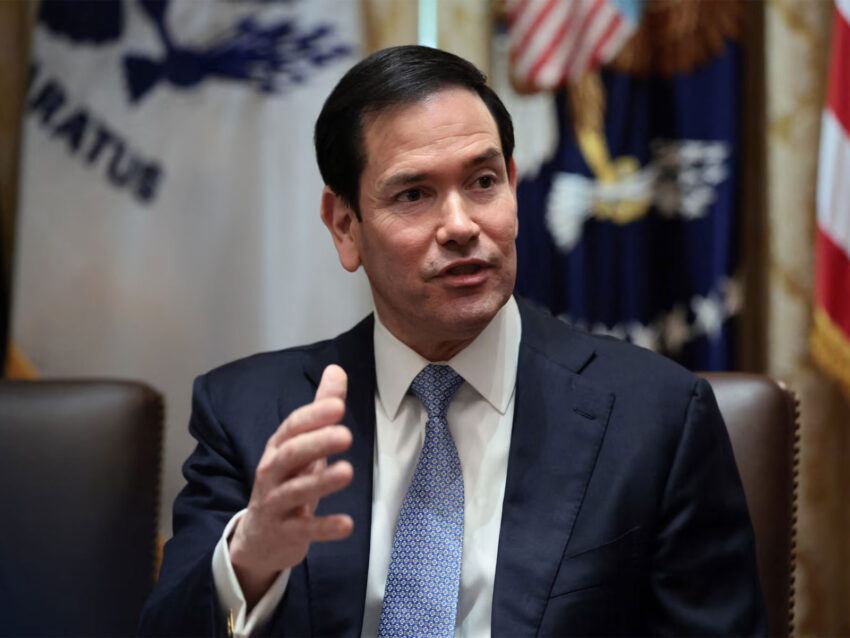
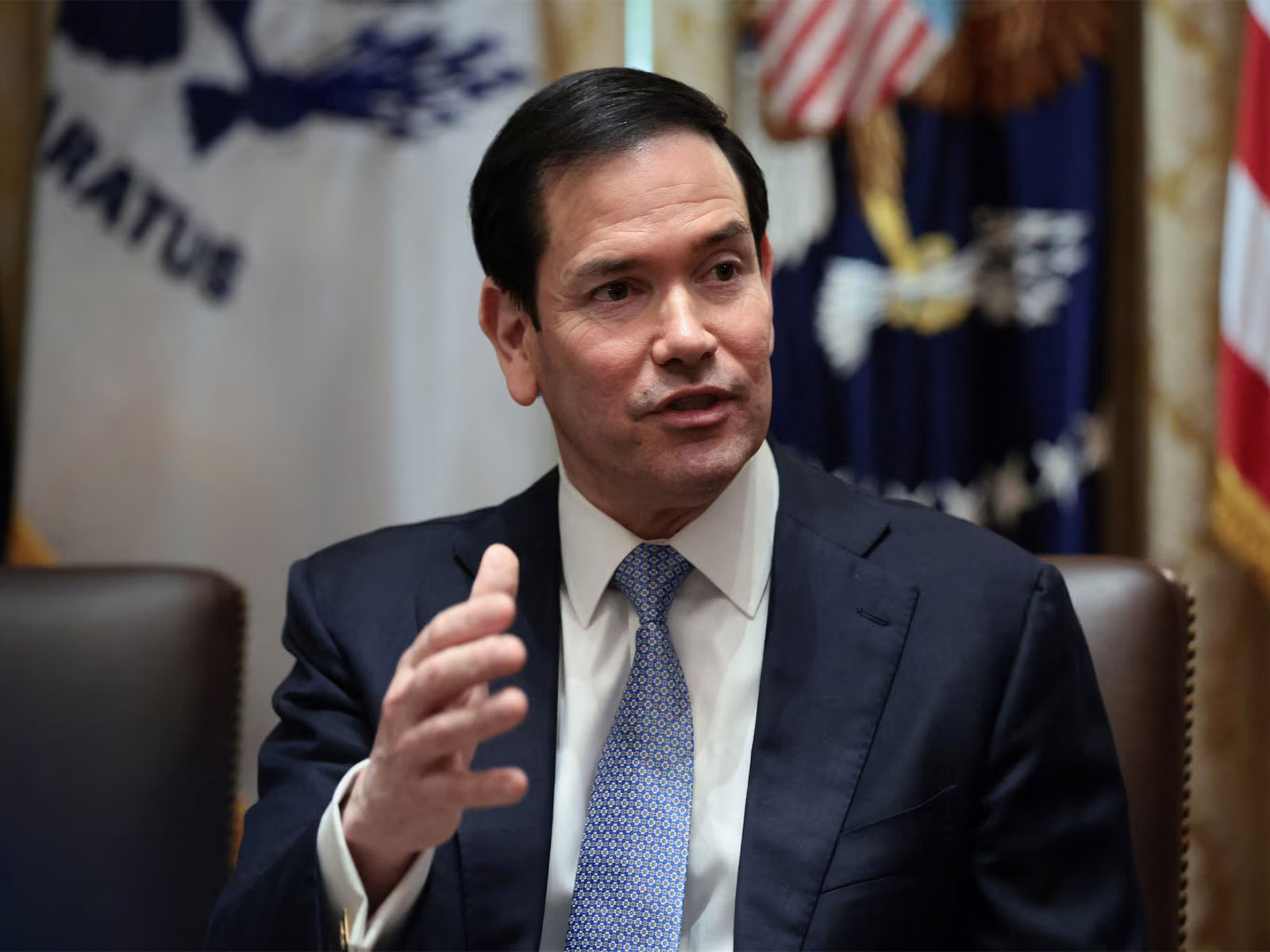
Speaking to reporters, US Secretary of State Marco Rubio repeated that “diplomacy is always the first option” while warning that Trump has “other options” if a deal with Iran cannot be reached.
The remarks come at a highly critical juncture for regional stability, following intense diplomatic manoeuvres behind closed doors. Hinting at potential fluid movement in ongoing engagements, the top US diplomat indicated that American negotiators remain receptive to a diplomatic resolution if Tehran acts in good faith.
“If there’s an agreement to be made, we want that to be made. I think there’s been some progress and some interest, and we’ll see over the next few hours and days whether progress can be made,” Rubio told reporters.
While maintaining an uncompromising position on American security interests, Rubio reinforced that the White House remains focused on securing a peaceful settlement through dialogue rather than escalation. He added that Washington would “prefer the negotiated, diplomatic route”.
This strategic preference for verified, formal diplomacy comes to the forefront as the White House has flatly denied a broadcast by Iranian state television asserting that Tehran and Washington had successfully negotiated a preliminary blueprint to halt the ongoing hostilities in West Asia, branding the claims a “complete fabrication”.
The state-backed Iranian broadcast had detailed an alleged outline of a Memorandum of Understanding (MoU), asserting that the framework mandated the United States dismantle its naval blockade against Iran and pull back its military deployments from Gulf waters to facilitate a comprehensive regional truce.
Striking back swiftly against this narrative, American officials issued an uncompromising public alert against the state-sponsored broadcast to prevent misinformation from derailing actual diplomatic channels.
The White House said in a post on X, “This report from Iranian-controlled media is not true and the MOU they ‘released’ is a complete fabrication. Nobody should believe what the Iranian state media is putting out. FACTS MATTER.”
According to the unverified claims aired by Iranian state networks, international merchant transit across the vital Strait of Hormuz was projected to normalise to pre-conflict frequencies within thirty days.
This tentative arrangement was reportedly contingent on specific conditions, including the complete removal of the US military footprint from territories surrounding Iran.
The state-backed reports further claimed that the purported mechanism assigned the oversight of mercantile shipping directly to Tehran in close diplomatic coordination with regional neighbours like Oman, whilst completely omitting naval warships from the operational scope of the framework.
However, the US administration has entirely dismissed the validity of any such negotiated text, maintaining that no formalised or imminent diplomatic accord of this description has been established between the two adversarial nations.
The contested Strait of Hormuz continues to serve as one of the global economy’s most indispensable maritime choke points, channelling a massive volume of international crude supplies from the Persian Gulf out to global consumer markets.
Consequently, any military friction or diplomatic alignment concerning this strategic maritime channel exerts an immediate, high-stakes influence over international fuel indices and broader geopolitical equilibrium. (ANI)