


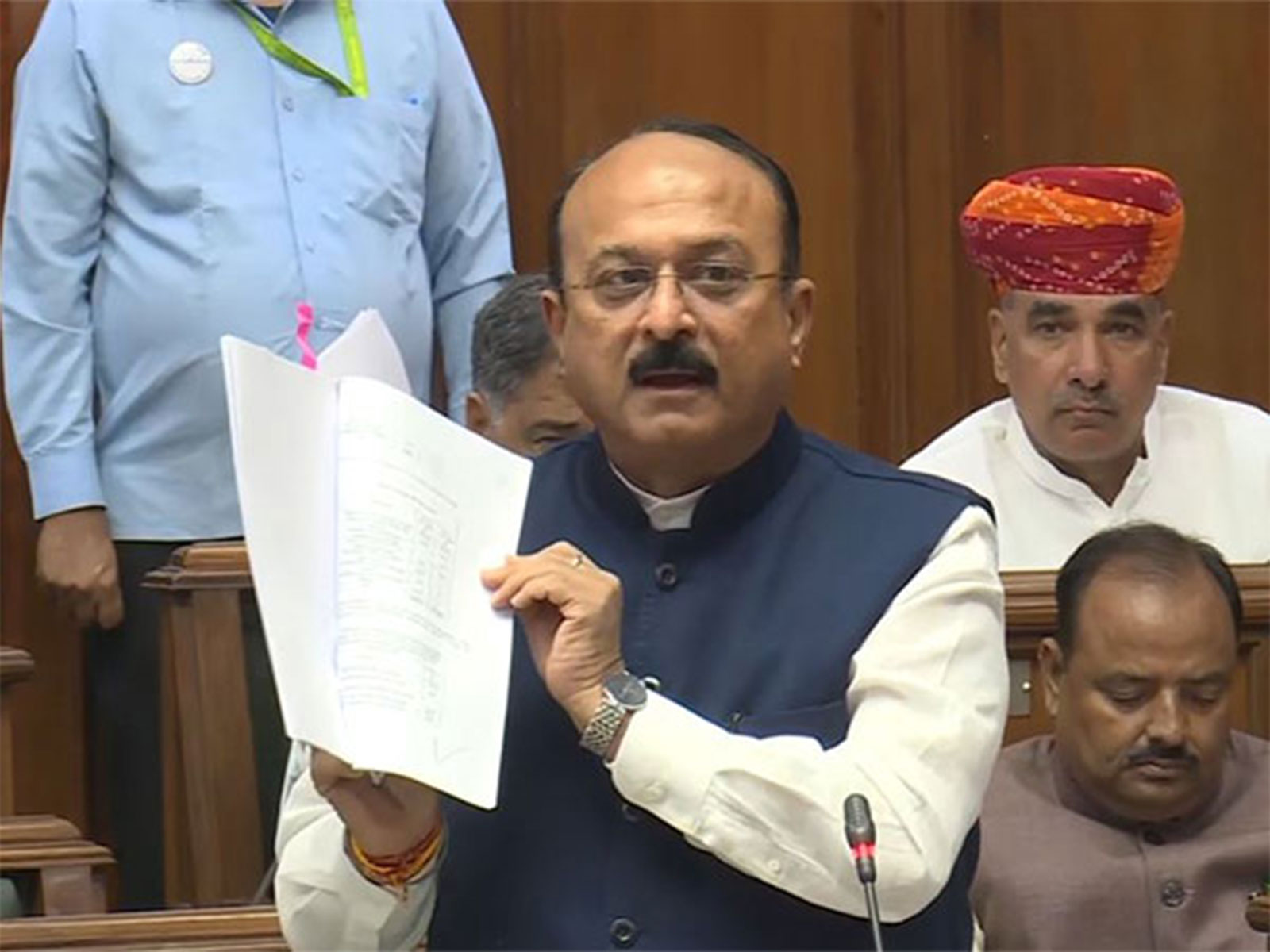
New Delhi [India], May 27 (ANI): Delhi Power Minister Ashish Sood on Wednesday said that the power cuts people faced last summer were due to system issues.
He said that since then, the Delhi government has been working to upgrade the electricity setup, and because of these measures, the city has avoided major blackouts this year even amid intense summer heat.
To further strengthen the electricity network, the government has prepared a detailed Power Master Plan, he said.
Sood added that the impact of these upgrades is already visible. While Delhi’s peak power demand of 8,600 megawatts was recorded in late June last year, the city met the same demand much earlier this year, in the month of May.
The Minister admitted there is still room for improvement, but he promised that the power grid will get much stronger over the next two years. The ultimate goal of this project is to completely eliminate power cuts across the capital.
To show how much the demand has grown, Sood shared some numbers. On May 25 this year, Delhi used 168 million units of electricity, a massive jump from the 110 million units used on the exact same day last year. This happened because the temperature on that day hit a scorching 43°C, compared to a much cooler 32°C the year before.
Finally, Sood pointed out that power management has vastly improved. This year, no neighbourhood in Delhi had to deal with a power cut lasting over two hours. In comparison, there were 147 instances of long blackouts exceeding two hours during the same period last year.
Meanwhile, Delhi’s peak power demand surged to 8,439 MW on Monday, the highest ever recorded in May and the highest so far this year, as an early and intense summer pushes consumption well above previous years.
According to the State Load Despatch Centre (SLDC) data, the capital has crossed the 8,000 MW mark four times in just six days, with BSES discoms meeting the load without disruption. SLDC now projects demand may breach 9,000 MW this summer, topping the 2025 all-time high of 8,656 MW.
“Delhi’s peak power demand has seen a sharp rise in May 2026 compared to previous years, reflecting the impact of an intense and early summer,” according to SLDC data shared in the release. (ANI)