

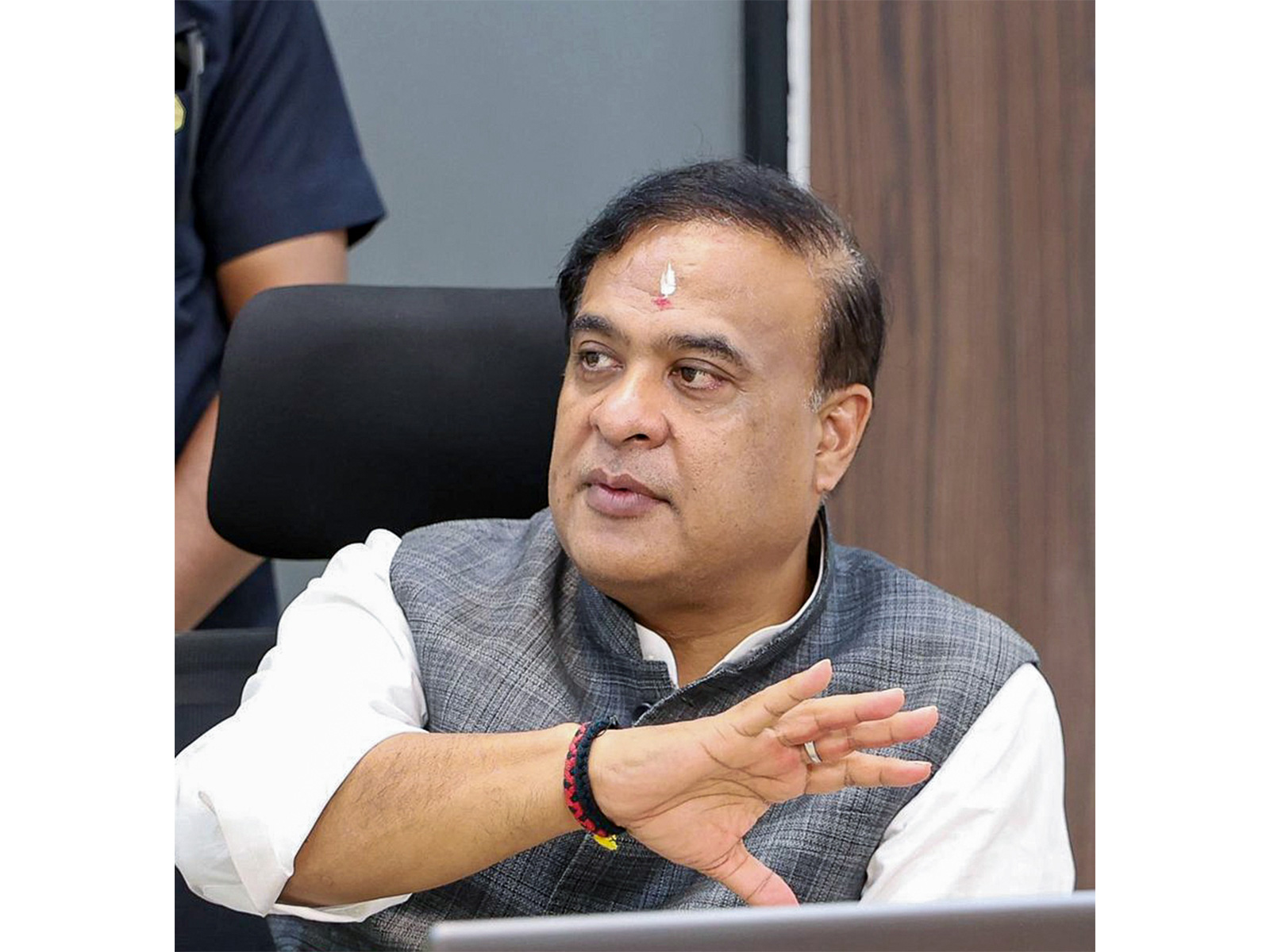
Guwahati (Assam) [India], May 24 (ANI): Assam Chief Minister Himanta Biswa Sarma on Saturday welcomed multiple Eidgah and Qabristan committees across Assam, including Hojai, Dhubri, Bongaigaon, and Udharbond, who issued formal appeals urging the Muslim community to refrain from cow slaughter during the upcoming festival of Eid-ul-Adha (Bakrid).
Sarma highly praised the initiative, framing it as a monumental step toward strengthening the socio-religious fabric of the state, a significant move toward fostering communal harmony.
In a post on X, the Chief Minister stated, “I welcome this effort to respect the sentiments of Assam’s majority Sanatan community. Such voluntary actions will strengthen the atmosphere of peace and communal harmony in the state. I hope other committees will also issue similar appeals. I call upon all Eid committees to come forward and make this Eid cow slaughter-free.”
Following the call by various committees, the Dhubri Town Eidgah Committee has also urged people to refrain from cow slaughter to honour the sentiments of Hindus and follow the law of the land.
I call upon all Eid committees to come forward and make this Eid cow slaughter free. https://t.co/M23IAEEFBa pic.twitter.com/stYHW7rO6G
ADVERTISEMENT
— Himanta Biswa Sarma (@himantabiswa) May 23, 2026

In an official notice dated May 23, 2026, the Dhubri Town Eidgah Committee detailed the strict legal penalties associated with the practice under the state’s current laws, while emphasising that the restriction does not infringe upon religious obligations.
“The Government of Assam has already implemented the Cattle Preservation Act. Under the provisions of this law, sacrificing cows is legally prohibited,” the committee’s statement read. It warned citizens that violations attract non-bailable charges, carrying a minimum jail term of three years up to a maximum of seven years, alongside heavy fines.
Addressing the religious aspect, the committee clarified that sacrificing a cow is by no means mandatory in Islam. While cows have traditionally been a readily available choice for families in Assam, Islamic jurisprudence explicitly permits the sacrifice of alternative Halal (permissible) animals.
The directives highlight both the legal framework of the state and Islamic religious guidelines to encourage compliance, a move that has been warmly welcomed by state leadership.
The standard operating procedure issued by the committees also took note of past frictions, citing instances where “unknown miscreants” attempted to disrupt peace during previous celebrations.
To prevent provocation and maintain mutual respect, the committee included a strict advisory regarding social media behaviour and complete avoidance of cow sacrifice and a directive prohibiting the public sharing of photos or videos featuring sacrificial animals or meat, ensuring the sentiments of the majority Sanatan (Hindu) community are not inadvertently hurt.
Bakri Eid is expected to be observed on May 27, subject to moon sighting. Ahead of the festival, several states, including Delhi, have issued strict guidelines to regulate animal sacrifice, hygiene, and public order.
In the national capital, Delhi Minister Kapil Mishra has warned that strict criminal action will be taken against violations related to animal sacrifice. He said that the slaughter of cattle, cows, calves, camels, and other prohibited animals is illegal in Delhi, and violators will face prosecution.
Mishra further stated that animal sacrifice in public places is banned, along with illegal sale or purchase of animals on roads, residential areas, and unauthorised markets. He also cautioned against improper disposal of animal waste, including dumping blood or remains into drains or public spaces, stressing that sacrifices must only be carried out at designated and authorised locations.
Citizens have been urged by the Delhi government to report any violations to the police and the Development Department for immediate action.
The advisory comes as authorities across multiple states step up arrangements to ensure law and order during the festival period. (ANI)