

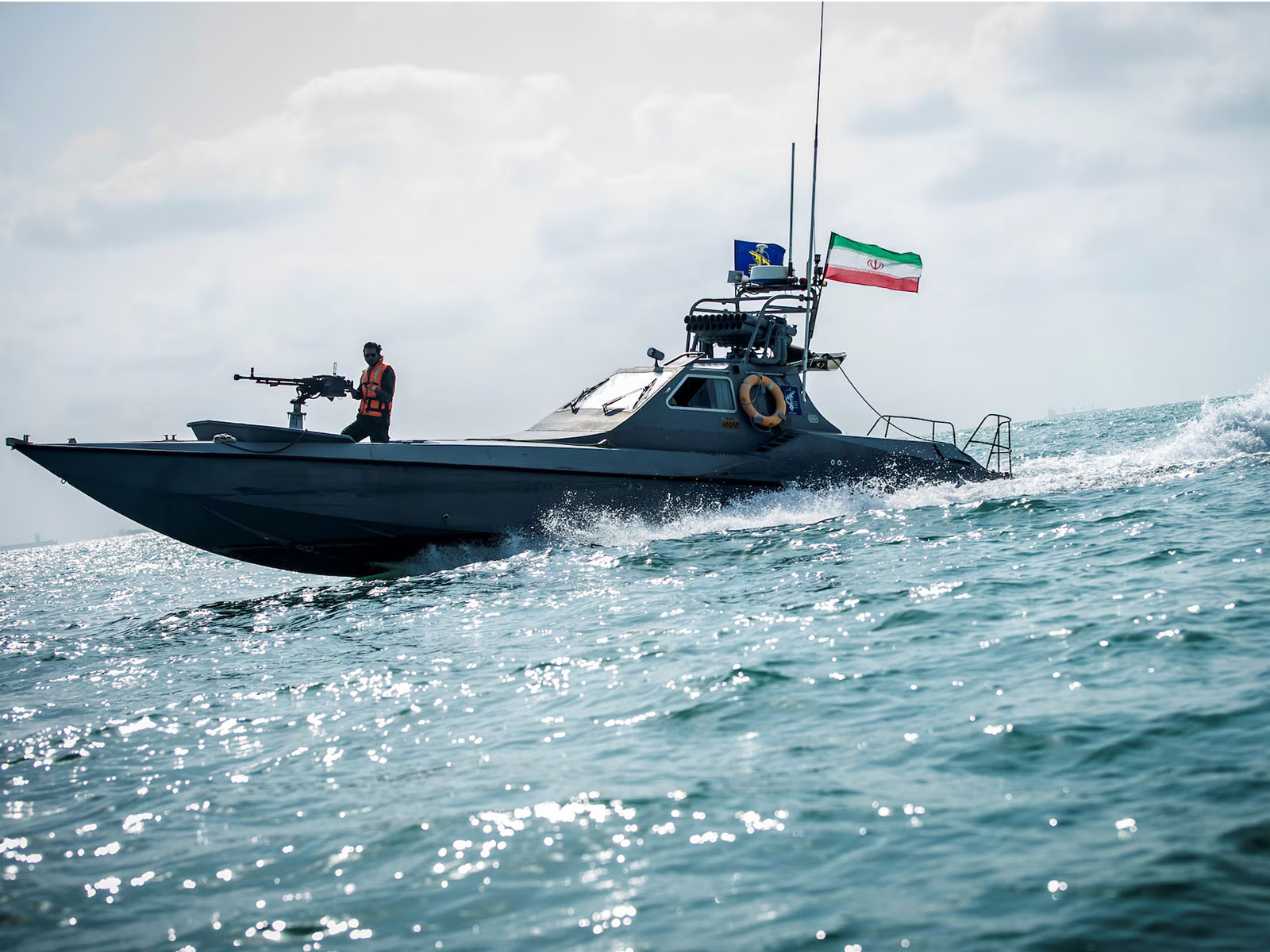
Tehran [Iran], May 22 (ANI): As many as 35 vessels, including cargo carriers and oil tankers, successfully navigated through the strategic maritime chokepoint of the Strait of Hormuz over the last 24 hours, according to Iran’s state media reports citing a formal declaration by the Islamic Revolutionary Guard Corps (IRGC) Navy.
In an official communique detailing the maritime traffic, the elite naval wing of the Iranian armed forces stated that “35 ships, including oil tankers and container vessels, have transited the Strait of Hormuz in the past 24 hours.”
The IRGC Navy further clarified the operational protocols governing the heavily monitored international shipping lane.
Elaborating on the procedural compliance maintained by the passing fleet, the maritime force noted that “these movements took place with the permission of and coordination with the IRGC Navy.”
This significant uptick in daily vessel transits directly follows the traffic recorded yesterday, when a total of 31 commercial vessels traversed the vital maritime corridor, according to Iran’s Tasnim news agency, citing an earlier official announcement by the IRGC Navy.
According to the official communique released by the force regarding yesterday’s traffic, the fleet navigating the strategic trade route comprised a diverse mix of merchant traffic, including bulk cargo carriers, oil tankers, and container ships.
This latest movement follows a similar pattern of transit documented on the previous day, when the IRGC noted that 31 ships crossed the waterway in a 24-hour period, reflecting a sustained volume of global trade passing through the critical energy lane under the active monitoring of regional forces.
This public tracking of vessel transit by Tehran comes amid sharpening geopolitical pushback from Washington.
Asserting America’s firm stance on global maritime security, US Secretary of State Marco Rubio, speaking from a NATO gathering in Helsingborg, Sweden, redoubled diplomatic pressure on Iran.
Rubio identified Tehran’s aggressive manoeuvres in vital trade corridors as a non-negotiable hurdle in ongoing discussions, stating that ensuring unhindered freedom of navigation remains a primary objective.
Specifically, Rubio claimed that Iran is “trying to create a tolling system” and to convince Oman to join the mechanism.
Condemning the strategy as an unacceptable breach of international maritime law, he issued a stern warning against compliance with the blockaded waterway’s proposed transit fees, asserting that “there is not a country in the world that should accept that.”
A recent New York Times report provided deeper context to Rubio’s warnings, confirming that Tehran is indeed engaged in low-profile discussions with Muscat over a collaborative economic blueprint.
According to the report, two Iranian officials confirmed that the proposed arrangement would charge vessels for passing through the Strait of Hormuz, with Oman receiving a share of the revenue.
While Muscat was initially cool to the idea due to potential international friction, its perspective shifted considerably after calculating the projected financial upside of participation.
This quiet revenue-generation plan, however, puts Tehran on a direct collision course with US President Donald Trump.
Reinforcing Washington’s unyielding counter-strategy, President Trump asserted from the White House that the American military maintains a dominant stranglehold over critical Middle Eastern corridors.
Trump explicitly backed the robust maritime restrictions enforced by US forces, declaring, “We have total control of the Strait of Hormuz with our blockade. Iran will not get nuclear weapons, or we’ll do something drastic.”
Trump claimed the naval encirclement has been “100 per cent effective”, describing it as a “steel wall” preventing unauthorised movement.
He emphasised that Washington’s ultimate objective is to restore completely free international passage, noting, “We want it free, we don’t want tolls. It’s international; it’s an international waterway.”
Beyond the shipping lane, the nuclear dimension remains a major fault line driving this naval blockade.
Trump reaffirmed that Washington will not allow Tehran to keep its highly refined nuclear stockpiles, estimated by experts at 900 pounds of highly enriched uranium — an amount ample for weapons application.
American authorities suspect these caches were moved to subterranean facilities following joint US and Israeli aerial bombardments nearly a year ago.
Stressing American determination to neutralise this underground threat, Trump stated, “We will get it. We don’t need it, we don’t want it. We’ll probably destroy it after we get it, but we’re not going to let them have it.”
However, these American prerequisites have met severe domestic resistance within Iran, creating a high-stakes diplomatic deadlock.
Reuters reported, citing two Iranian sources, that Iran’s Supreme Leader Ayatollah Mojtaba Khamenei issued a direct order that the stockpile of enriched uranium “should not leave the country”, effectively rejecting a pivotal US demand. (ANI)