

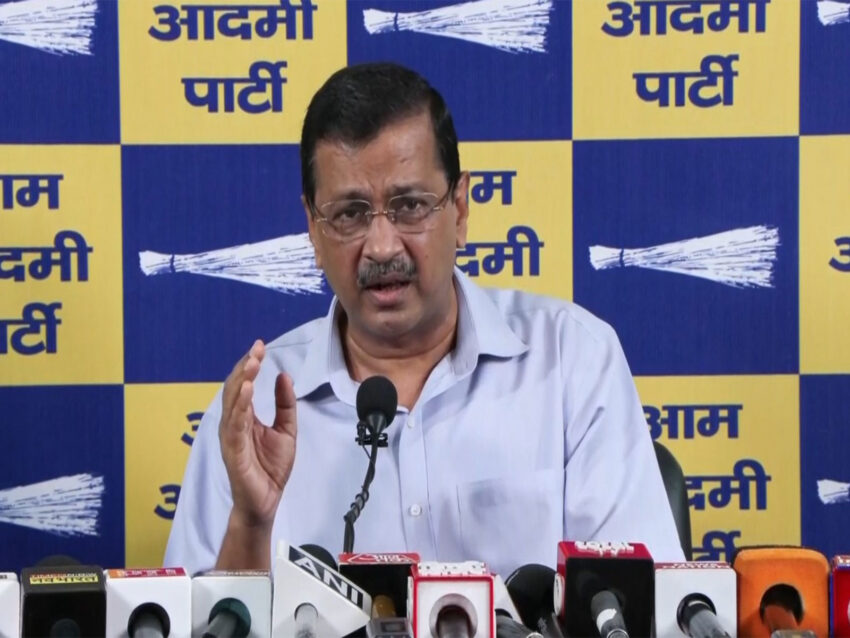
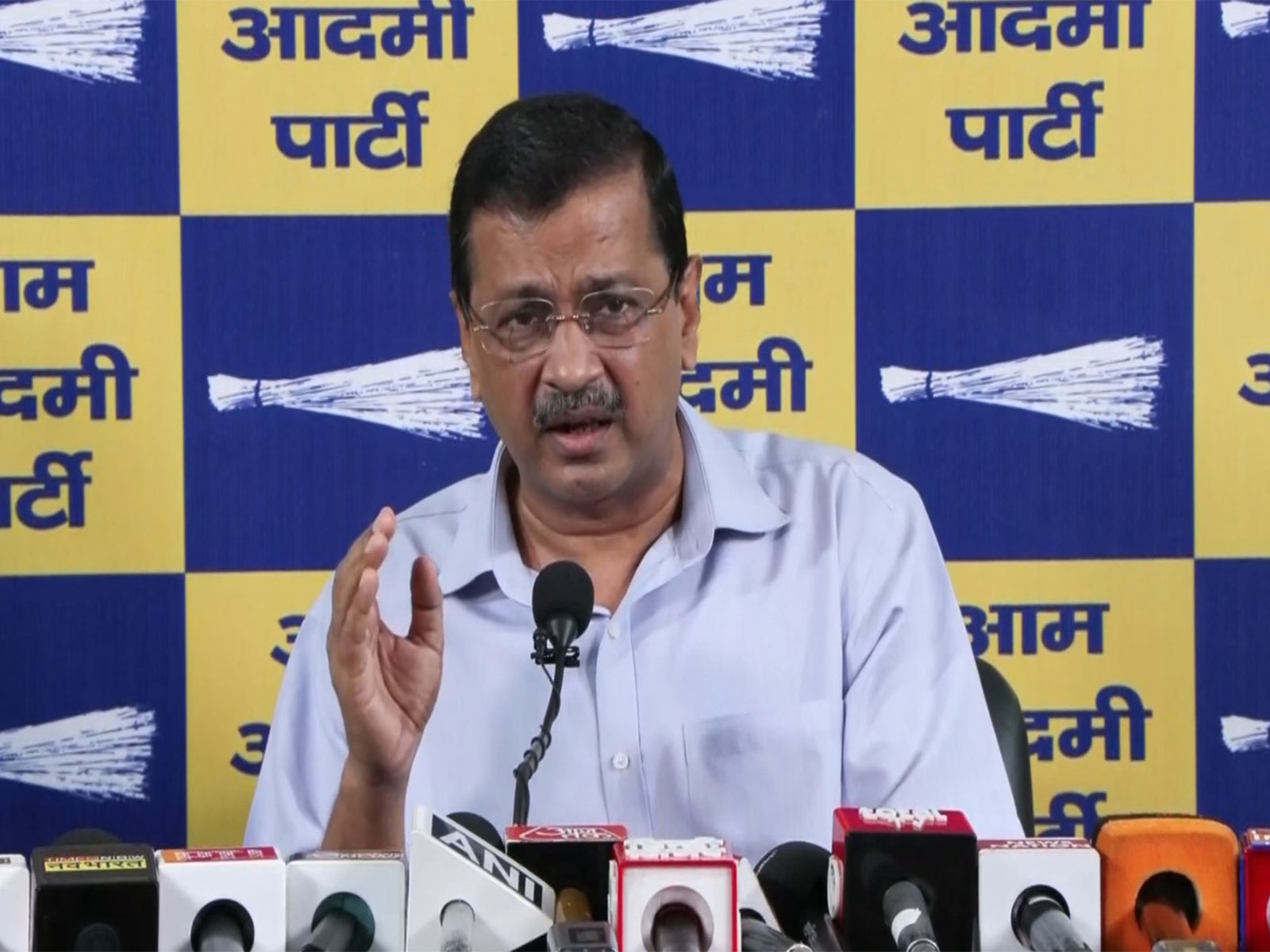
New Delhi [India], May 12 (ANI): Aam Aadmi Party (AAP) Convenor Arvind Kejriwal on Tuesday questioned Prime Minister Narendra Modi’s “seven appeals” to citizens amid the ongoing West Asia conflict and said the country was “in shock” over the government’s statements regarding the economy.
Addressing a press conference, Kejriwal said India had faced several crises since Independence, including wars and economic challenges, but such appeals had never been made to citizens on this scale.
“Since 1950, the country has faced many crises, including wars with Pakistan and China and economic crises. Leaders like Lal Bahadur Shastri and Indira Gandhi had appealed to people not to buy gold earlier as well, but no government had made such extensive ‘seven appeals’ to citizens. The nation is in shock,” Kejriwal said.
Referring to Prime Minister Modi’s recent remarks urging citizens to reduce consumption and spending amid global economic pressures, the AAP leader said he had three requests for the Prime Minister.
“I have three requests from the PM. He should tell the nation the condition of our economy today and what is expected in the near future. Today, a lot of rumours are floating in the market and this is not good for confidence in the economy,” Kejriwal said.
Kejriwal further said that while the West Asia conflict had affected the global economy, no other country had issued similar appeals to its citizens.
“We all know this is happening because of the Iran-America war, and the whole world is affected. But no government in any country has made such appeals to its citizens. This creates suspicion that perhaps the reason is something else,” he said.
The former Delhi Chief Minister also questioned why the burden of economic adjustment was being placed on the middle class. “The middle class is very patriotic, but why is the entire burden being put only on them? The first sacrifice should have come from the government itself,” Kejriwal said.
His remarks come after the Prime Minister made an appeal in Secunderabad on Sunday, urging citizens to prioritise work from home, cut fuel consumption, avoid foreign travel for a year, adopt Swadeshi products, reduce cooking oil use, shift to natural farming and curb gold purchases.
He stressed the need to reduce dependence on imports and said every household should cut down on edible oil consumption and move towards natural farming to help save foreign currency and protect the environment.
Highlighting the burden of fertiliser imports, the Prime Minister said India spends a significant amount of foreign exchange on importing chemical fertilisers and urged farmers to reduce their usage.
To combat the volatility of fuel prices, PM Modi urged a shift in how India moves. He urged citizens to reduce petrol and diesel consumption by using the metro and public transport wherever available, opting for car-pooling when private vehicles are necessary, preferring railway transport for the movement of goods, and increasing the use of electric vehicles wherever possible.
The conflict in West Asia has led to a global energy crisis amid the blockade of the Strait of Hormuz, a significant maritime route for oil trade in the Gulf region. (ANI)