

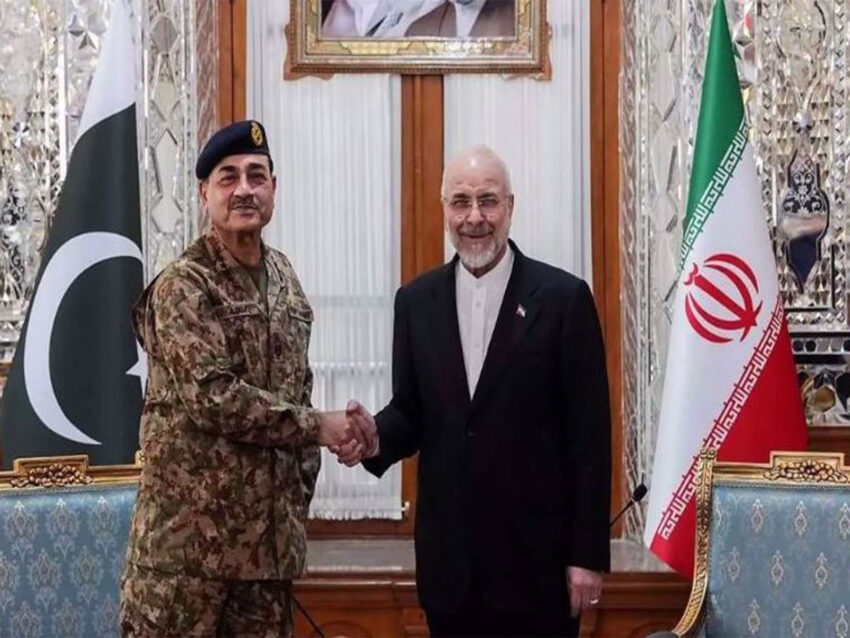
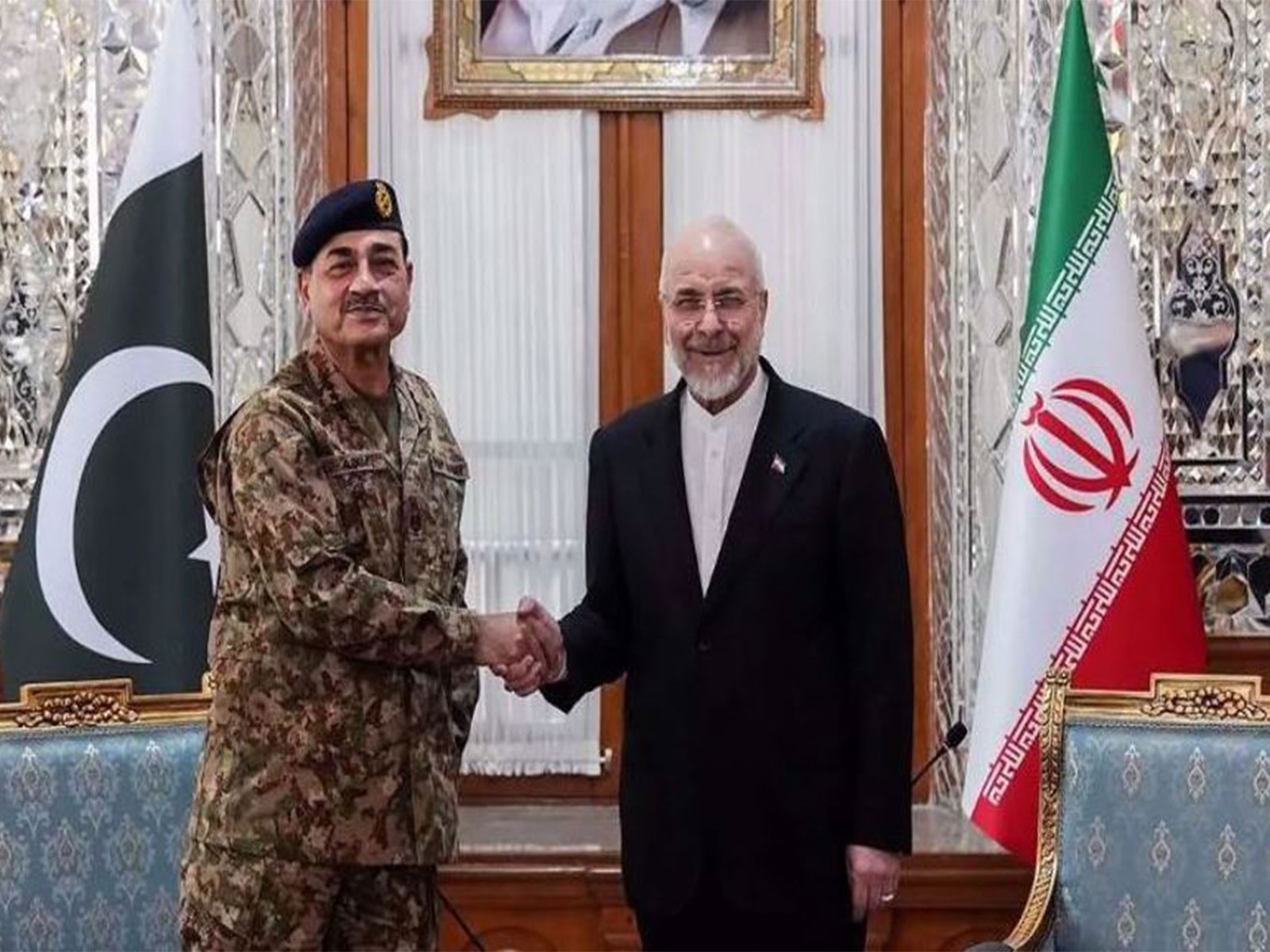
Tehran [Iran], April 16 (ANI): Pakistan’s Army Chief Asim Munir held a meeting with the Iranian Parliament Speaker, Mohammad Bagher Ghalibaf, in Tehran on Thursday morning, according to the state broadcaster Press TV.
The meeting occurs amid intensive diplomatic engagements between the US and Iran aimed at achieving a complete halt to hostilities in West Asia. Pakistani officials have expressed hope for a “major breakthrough” in these ongoing talks, particularly regarding Tehran’s nuclear programme, Al Jazeera reported, citing sources.
According to Al Jazeera, this development follows Islamabad’s diplomatic outreach to de-escalate the regional crisis. A potential second round of talks is reportedly on the horizon after the initial round ended in a stalemate.
This diplomatic momentum comes after the high-level Pakistani delegation, led by Asim Munir, arrived in Tehran on Wednesday to convey messages from Washington to the Iranian leadership.
As per Iran’s state media, Munir was received by Iranian Foreign Minister Abbas Araghchi upon his arrival. The visit is specifically aimed at preparing the ground for a possible second round of negotiations between the US and Iran.
According to Al Jazeera, Pakistani officials expect progress on the nuclear issue through continued back-channel communication between Washington and Tehran. However, the report noted that key differences persist over the duration of a potential uranium enrichment freeze, with discussions ranging between a five-year and a 20-year halt.
Another major issue under deliberation is the handling of Iran’s estimated 440 kilograms of highly enriched uranium. Multiple options are being considered, including transferring the stockpile to a third country or reducing enrichment levels.
Amid these developments, Munir is also expected to travel to Washington following his visit to Iran as part of ongoing mediation efforts, Al Jazeera reported, citing a Pakistani security source.
The visit comes at a critical juncture as diplomatic efforts intensify to revive stalled negotiations following the inconclusive “Islamabad Talks.” This high-level engagement is being viewed as a last-ditch effort to break the deadlock after earlier talks failed to produce a breakthrough, particularly over Tehran’s nuclear programme and other “red line” issues. (ANI)