


PNN
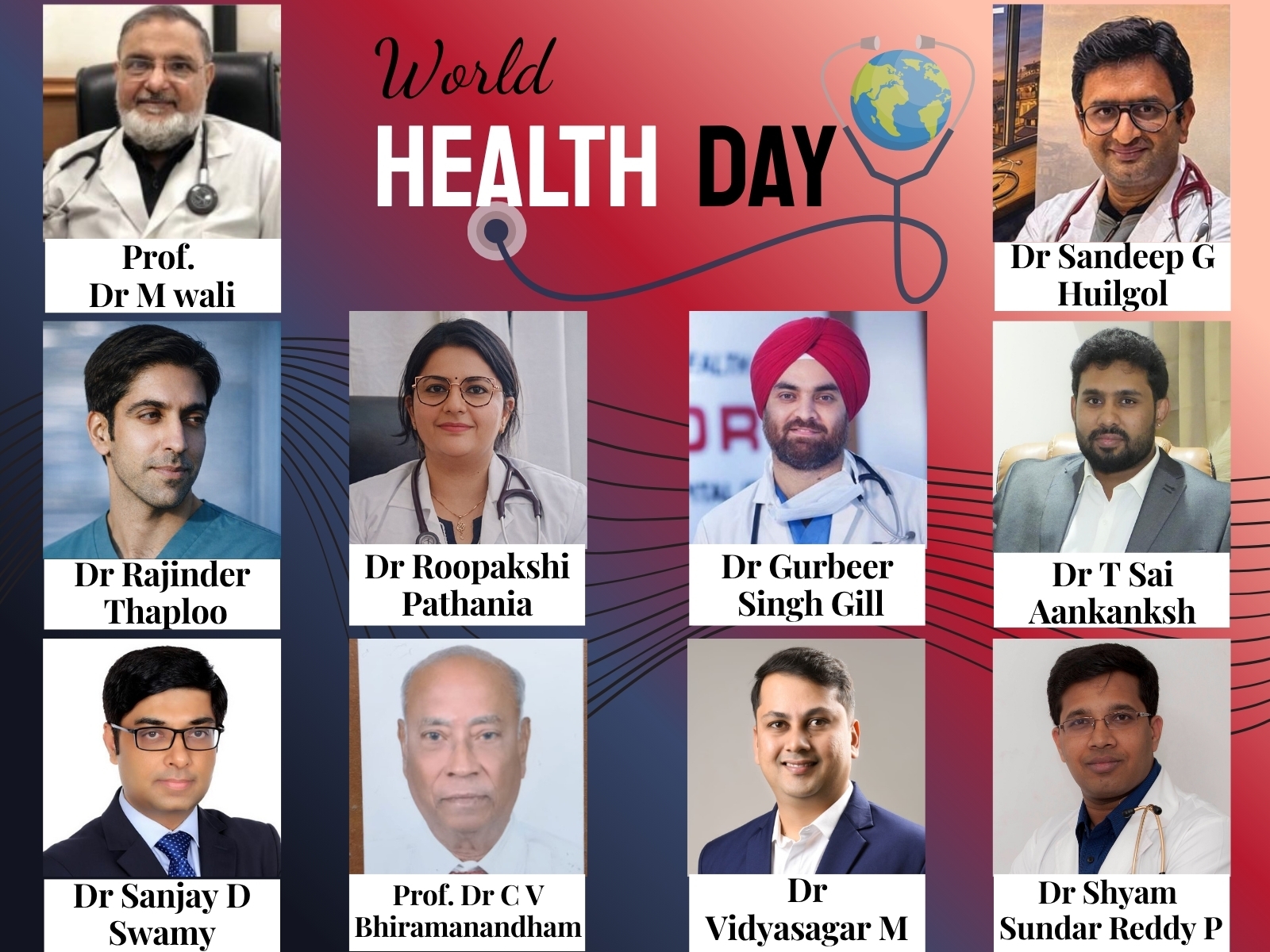
New Delhi [India], April 7: On World Health Day 2026, leading healthcare experts emphasize the importance of building a healthier and happier future through preventive care, early diagnosis, and patient-centered approaches. Across specialties, doctors, researchers, and innovators are shaping a new era of healthcare where technology, awareness, and compassion work together to improve outcomes. From managing lifestyle diseases and supporting mental well-being to advancing precision medicine and accessible care, their insights highlight the critical role of informed choices and timely interventions. This day reminds us that small, consistent efforts toward wellness today can create a stronger, healthier tomorrow for all.
1. Dr. Gurbeer Singh Gill, MBBS, MD (Medicine), DM (Cardiology), M.Sc. Diabetes (U.K.), Punjab
On World Health Day, it’s important to understand that not every heart patient needs stents or surgery for effective treatment. Many patients with stable coronary artery disease can be safely managed with optimal medical therapy, lifestyle changes, and personalized care, which studies like the ISCHEMIA trial have shown deliver outcomes comparable to invasive procedures in terms of survival and major cardiac events.
“While stents and surgery provide symptom relief for some, they are not always the best option for every patient,” says Dr. Gurbeer Singh Gill, Interventional Cardiologist. “Advances in medicines, risk factor management, and non-invasive care can prevent progression and reduce the need for invasive intervention when applied early and appropriately.” The key is individual assessment, evidence-based planning, and shared decision-making to ensure patients receive the most effective, least invasive care suited to their condition.
2. Prof. Dr. C. V. Bhirmanandham, Senior Cardiologist & Former Vice President, Medical Council of India, Chennai
On the occasion of World Health Day, Prof. Dr. C. V. Bhirmanandham, Senior Cardiologist & Former Vice President, Medical Council of India, highlights that the foundation of a healthy life lies in disciplined lifestyle management from an early age. He emphasizes maintaining an ideal body weight from 18 years onward, engaging in at least 30 minutes of daily physical activity, ensuring 6-8 hours of quality sleep, and completely avoiding tobacco in any form.
He further stresses the importance of preventive healthcare, especially for individuals with a family history of heart disease or diabetes, recommending regular monitoring of blood sugar, HbA1c, and LDL cholesterol levels. A balanced diet low in saturated fats, limited intake of deep-fried foods, and reduced consumption of refined sugars are crucial for long-term heart health.
Adding to this, he advocates incorporating yoga and meditation to maintain mental well-being. With decades of experience in cardiology, Prof. Dr. Bhirmanandham has made significant contributions to medical education and healthcare policy in India.
3. Prof. (Dr.) M. Wali, MD, FRCP, FACC (USA); Consultant Cardiologist, Sir Ganga Ram Hospital, New Delhi
The strength of a nation is reflected in the health and well-being of its people, especially mothers and children. “Healthy Beginnings, Hopeful Futures” reminds us that life’s trajectory is shaped early–often before birth. India has made remarkable progress, with maternal and infant mortality rates steadily declining thanks to stronger public health systems, increased institutional deliveries, and wider immunization coverage.
Yet challenges remain. Preventable complications, nutritional deficiencies, gaps in antenatal and postnatal care, and rising non-communicable diseases threaten maternal and child health. True healthy beginnings require proactive, holistic care–addressing nutrition, chronic conditions, mental well-being, and timely screenings from adolescence through early childhood.
Healthcare professionals play a crucial role as caregivers, educators, and advocates, guiding families toward preventive care and equitable access. By embracing innovation, leveraging technology, and strengthening healthcare systems, we can ensure safer pregnancies, healthier children, and a brighter, more hopeful future for generations to come.
4. Dr. Sandeep G. Huilgol, MBBS, DNB (Internal Medicine), M.Med (Nephrology, Sheffield Kidney Institute, UK), DNB (Nephrology), MNAMS; Nephrologist & Transplant Physician, Founder – Dr. Huilgol’s Kidney Care; Consultant Nephrologist, Patil Medicare Multispeciality Hospital, Bagalkot, Karnataka
On World Health Day 2026, as the theme highlights “Healthy Beginnings, Hopeful Futures,” the work of Dr. Sandeep G. Huilgol, a nephrologist in Bagalkot, stands out. Recognizing the lack of kidney care in semi-urban regions, he established dialysis and nephrology services locally, becoming one of the first specialists in the district.
Through his association with Patil Medicare Multispeciality Hospital and Dr. Huilgol’s Kidney Care, he has improved access to timely, patient-centered care. His work extends beyond treatment to include awareness programs, early screening, and patient education.
Dr. Huilgol is also the author of The Silent Gap, a medical fiction exploring the human side of healthcare.
His journey reflects a clear vision–bringing quality kidney care closer to communities that need it most.
“Healthcare in India cannot remain city-centric. The real impact lies in reaching smaller towns and building systems that sustain quality care locally.” — Dr. Sandeep G. Huilgol.
5. Dr. Rajinder Thaploo, MBBS, MD (Medicine), DNB (Cardiology); FSCAI (USA), FAPSIC (Singapore), FISC, FACI (London), FACC (USA); Senior Interventional Cardiologist & Director, Cath Lab, Vivekanand Medical Institution, Palampur, Himachal Pradesh
“Healthy Beginnings, Hopeful Futures – The Heart of Preventive Cardiology”
Cardiovascular disease continues to be the leading cause of mortality worldwide, yet a large proportion of these events are preventable. The concept of “healthy beginnings” must start early–with lifestyle awareness, risk factor control, and timely screening.
Hypertension, diabetes, smoking, sedentary habits, and poor diet silently accelerate atherosclerosis. Early identification and aggressive management of these risk factors can significantly reduce the burden of heart attacks and strokes. Preventive cardiology is no longer optional–it is essential.
Equally important is public awareness about recognizing warning signs and seeking immediate medical care. Advances in interventional cardiology have made treatments safer and more effective, but outcomes still depend heavily on time-to-treatment.
As healthcare professionals, our responsibility extends beyond procedures–we must educate, prevent, and empower. By building a culture of heart health from a young age, we can truly ensure healthier beginnings and more hopeful futures.
6. Dr. Roopakshi Pathania, MBBS, MD (Medicine), DM (Neurology); Consultant Neurologist, Vivekanand Medical Institute, Palampur, Himachal Pradesh
“Healthy Beginnings, Hopeful Futures – Nurturing Brain Health Across Lifespan”
Brain health is fundamental to overall well-being, yet neurological disorders are rising rapidly across all age groups. From stroke and epilepsy to neurodegenerative diseases, early intervention plays a critical role in improving outcomes.
“Healthy beginnings” in neurology start with awareness–recognizing early symptoms such as persistent headaches, seizures, memory decline, or sudden weakness. Timely diagnosis and intervention can prevent long-term disability and improve quality of life.
Lifestyle factors also have a profound impact. Adequate sleep, stress management, balanced nutrition, and physical activity are essential for maintaining optimal brain function. Preventive neurology is emerging as a key pillar in modern healthcare.
Equally vital is breaking the stigma around neurological disorders. Patients often delay seeking help due to fear or misinformation. As neurologists, our role is to educate, reassure, and provide evidence-based care.
By promoting early care and awareness, we can build a future where neurological health is prioritized from the very beginning.
7. Dr. Vidhya Sagar, MBBS, MS (Orthopaedics); Orthopaedic Surgeon, Apollo Hospitals, Bannerghatta Road, Bangalore
Strong bones support your body, protect organs, and store vital minerals like calcium. Maintaining bone health helps prevent osteoporosis, a condition that causes fragile bones prone to fractures, especially with age. Diet, exercise, and lifestyle all play key roles.
Key Nutrients:Calcium is crucial for bone strength–aim for 1,000-1,200 mg daily from dairy, leafy greens, or fortified foods. Vitamin D, obtained from sunlight or fatty fish, helps the body absorb calcium effectively. Include magnesium, phosphorus, and vitamins K and A for optimal bone metabolism.
Exercise Benefits:Weight-bearing activities like walking, jogging, or strength training build bone density and slow bone loss. Adults need at least 30 minutes daily. Strength training also enhances muscle support around bones and reduces fall risks.
Lifestyle Tips: Avoid smoking, which weakens bones, and limit alcohol intake. Maintain a healthy weight–being underweight increases fracture risk. Prioritize these habits for lifelong bone resilience. Consult a doctor for personalized screening if at risk. Track your daily activity and steps using your smartphone to stay active.
8. Dr. Shyam Sundar Reddy P, MBBS, MD (General Medicine), DM (Cardiology); Consultant Interventional Cardiologist, KIMS Hospital, Kondapur, Hyderabad
HEART ATTACKS ARE GETTING YOUNGER — ARE WE LISTENING?
Rising cardiac risks among young adults highlight an urgent need for prevention and lifestyle change
It often begins like any other day–until sudden chest pain changes everything. Increasingly, heart attacks are being seen in young, active individuals with families, careers, and dreams ahead of them. Sedentary lifestyles, chronic stress, unhealthy food habits, and missed warning signs are silently pushing many toward preventable cardiac events.
Timely screening, regular exercise, balanced nutrition, and stress management can make the difference between life and loss. Awareness is no longer optional–it is lifesaving.
“Behind every heart attack is a family unprepared for the shock. We are seeing heart attacks in individuals who should have decades of healthy life ahead. Your lifestyle today writes your heart’s future.”
“It’s never too early–and never too late–to choose a healthier lifestyle.”
Through awareness and early intervention, we can change this narrative–because every heartbeat matters, and protecting it is a responsibility to those who love you.
Healthy Beginnings, Hopeful Futures: Protecting Young Hearts Before It’s Too Late.
9. Dr. T. Sai Aakanksh, MS (Orthopaedics) [Gold Medalist]; FIJR, CIMP, Sports Medicine (USA); Hip & Knee Specialist, Founder & Consultant Orthopaedic Surgeon, Elite Clinics, Hyderabad
Joint pain is not merely a symptom; it is a conversation your body has been trying to start, often ignored until it becomes a monologue of suffering. As an orthopedic surgeon, I see joints not as hinges, but as living storytellers shaped by biology, lifestyle, and time. Evidence reminds us that early intervention–be it physiotherapy, weight optimization, or regenerative therapies–can rewrite this story before degeneration becomes destiny. Krishna’s counsel to Arjuna underscores the value of timely decision-making; hesitation in critical moments can change the course of destiny.
Similarly, ignoring joint pain allows a manageable condition to evolve into irreversible pathology. Ignoring pain is not resilience; it is delay at a cost. The true innovation in orthopedics lies not just in advanced surgeries, but in preventing the need for them.
Treat your joints with foresight, not hindsight, because movement is not just function–it is freedom.
10. Dr. Sanjay D. Swamy, MBBS, DNB (Paediatrics); FPCC (IAP), FPIC (UK); Consultant Paediatrician & Intensivist, Cloudnine Hospital, Bangalore
On World Health Day 2026, the theme “Together for Health: Stand with Science” emphasizes the importance of collaborative, evidence-based solutions in healthcare. In paediatric critical care, one of the biggest challenges remains unequal access to specialist expertise, particularly in resource-limited settings. Critically ill infants often deteriorate during transfers due to delays and gaps in timely intervention.
Infant mortality in India has reduced to 25 per 1,000 live births and under-five mortality to 28 per 1,000 live births over the past decade. Pneumonia, preterm birth complications, and diarrhoeal illnesses remain leading causes. Further reduction requires science-backed solutions and specialized expertise.
With 18 years of experience in PICU, trained in India and the UK, I have seen Tele-ICU emerge as a powerful, science-driven force multiplier. By connecting remote centres with paediatric intensivists in real time, it enables early recognition, timely intervention, and standardized protocol-driven care. Tele-ICU supports frontline clinicians, reduces unnecessary transfers, and prevents avoidable deaths. Models across India have shown up to 40% reduction in ICU mortality.
On World Health Day, scaling such innovations through policy support, public-private partnerships, and research is essential to ensure every infant receives timely, high-quality critical care–truly standing with science, together for health.
(ADVERTORIAL DISCLAIMER: The above press release has been provided by PNN. ANI will not be responsible in any way for the content of the same.)