

Four Indian regional New Years based on the Lunar calendar have just passed in March, right after Holi. Others are coming up on the 14th and 15th of April, based on the Solar calendar and marking the start of the harvest season and the Sun’s transition into Aries or Mesha Rashi.
New Years celebrated on April 14, 2026, are (1) Puthandu, the Tamil New Year, (2) Vishu, the New Year in Kerala, (3) Baisakhi, the New Year in Punjab, (4) Bohag Bihu, the New Year in Assam which will last till April 20, (5) Maha Vishuva Sankranti, the Odia New Year, and (6) Jur Sital, the Maithili New Year celebrated in parts of Bihar and Nepal. The new year celebrated on April 15, 2026 is (7) Bohag Bihu or Rongali Bihu, the Assamese New Year.
Most new years are celebrated by some ritualistic puja at home, visit to the temples to seek blessings and thank gods, wearing new clothes, eating traditional dishes, ending in cultural performances.
(1) Puthandu, the Tamil New Year is a festival symbolizing renewal, and is celebrated with devotion. The day begins with the Kanni ritual, where people first see upon waking up a tray arranged the previous night with fruits, flowers, gold, rice, and other items. Homes are cleaned and decorated with Kolam or rice-flour rangolis and garlands of neem and mango leaves.
ADVERTISEMENT

People wear new traditional clothes. Special meals are prepared, including Mango Pachadi, a drink made of raw mango, jaggery, neem flowers and tamarind, said to represent life’s mix of sweet, bitter, and sour experiences. Other dishes include sakkarai pongal, vadai, and payasam.
People visit temples, participate in special pujas, and attend reading of the Panchangam or almanac with predictions for the new year.

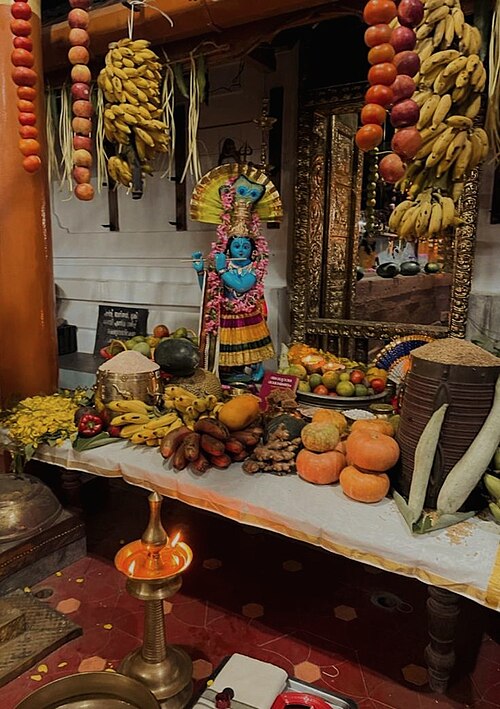
(2) Vishu, the Kerala New Year, celebrated mainly by the Malayali community, marks spring harvest, the spring and the sun’s entry into Medam month. It is closely linked to the worship of God Krishna or Vishnu, who is believed to have defeated the demon Narakasura on this day.
On the previous night, families prepare an auspicious display in front of a Krishna image with Kani Konna flowers, raw rice, golden cucumber, coconut, gold ornaments, coins, and a mirror. It is believed that seeing this first thing at dawn is believed to bring prosperity.
People wear new clothes and Sadhya, the Feast, consists of a traditional Kerala balanced meal of salty, sweet, sour and bitter tastes, often served on banana leaves, including dishes like Vishu Kanji and Thoran.
People go to temples, visit friends, and in a special ritual Vishukkaineetam, elders give money or gifts to younger family members as a blessing for the new year.
(3) Baisakhi is a major harvest festival and Punjabi New Year, holding religious and cultural significance, especially for Sikhs.

Baisakhi is a harvest festival celebrating good Rabi crops, and thanking god. Nagar Kirtans or colorful street processions with hymn singing, scripture recitation, and displays of Gatka, Sikh martial arts, are a part of the celebrations. People wear traditional garments of orange and yellow colors. Melas or fairs are held with rides, games, and cultural performances, including Bhangra and Gidda to the beat of the dhol.
Festive foods include Meethe Chawal, Khada Prasad, and Sarson da Saag with Makki di Roti.
Sikhs visit Gurdwaras for Kirtans and Seva that day, which marks the formation of Khalsa by Guru Gobind Singh.
(4) Maha Vishuva Sankranti, the Odia New Year, celebrates the transition from spring to summer, and marks the new academic and agricultural year. Also known as Pana Sankranti, it involves preparing Bela Pana, a wood apple drink offered to deities and then shared as prasad.

People celebrate by visiting Hanuman, Shiva and Shakti temples to seek blessings, and donate to the needy. Cultural performances include Danda Nach, the traditional fire dance.
(5) Jur Sital, the Maithili New Year, is celebrated in Bihar and surrounding region, marking the first day of the Maithili calendar.
Traditional rituals to celebrate include elders blessing younger family members by pouring water on their heads. Water is also sprinkled on plants and trees to keep them cool. People apply mud and silt on each other. Lakes and wells are cleaned, and sometimes rice seeds are sown.
Cooking is avoided that day. Families eat food prepared the previous day, especially badi-bhaat, lentil dumplings and rice and sattu. People also visit the homes of deceased relatives singing traditional folk songs to pay respect to their memories.
(6) Pohela Boishakh, the Bengali New Year, is mainly celebrated in West Bengal and Tripura, and symbolizes a fresh start and community togetherness. Celebrations include Prabhat Pheri or early morning processions, visit to the temples, decorating homes with Alpona and closing old and opening new financial ledgers.

People wear red-and-white sarees and kurtas. Cultural programs include Rabindra Sangeet, folk music and dance.
Traditional dishes for the day are Panta Bhaat, Hilsa fish curry, Rosogolla and Sandesh. Boishakhi Melas display handicrafts, pottery, and traditional foods.
(7) Bohag Bihu, also called Rongali Bihu, is the Assamese New Year and spring festival, marking the start of the agricultural season.
For the seven day long festival, Gosai Bihu or prayers are conducted daily. Visits to get blessings from elders are a special feature of the day. Traditional food includes pitha and laddoo made from rice flour, coconut, and jaggery.
People wear mekhela chador and dhoti-gamosa, and perform the lively Bihu dance in fields and community spaces accompanied by dhol and pepa or horn pipe.
Celebrations also include bathing the cattle and decorating them with garlands and feeding vegetables to them to show gratitude for their help in farming.