


New Delhi [India], March 22 (ANI): Managing the current crude oil, CNG, and LPG situation in India has become a primary focus as global supply chains face a “hard lockdown” due to escalating conflict in West Asia. India is leveraging its unique diplomatic standing to secure energy supplies despite significant disruptions at the Strait of Hormuz.
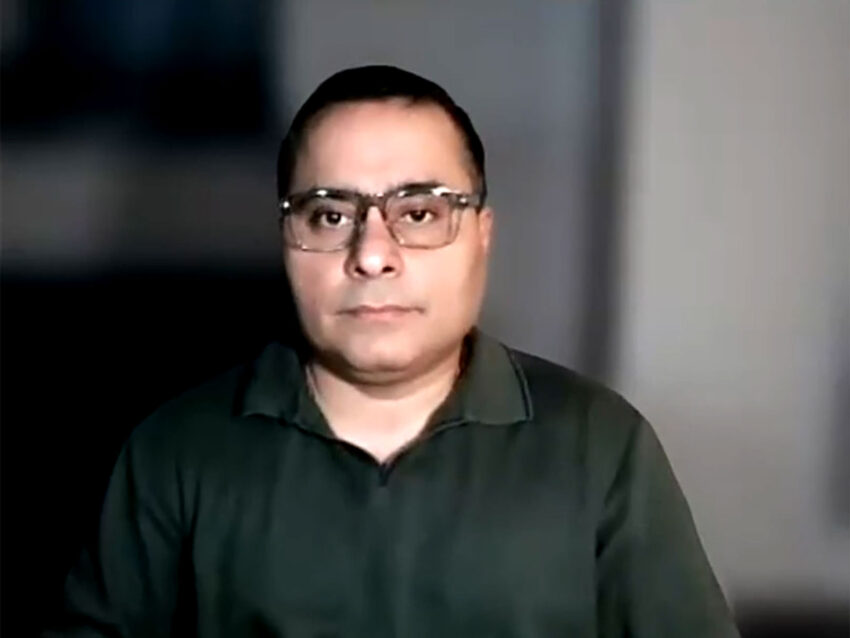
Anindya Banerjee, Vice President, Kotak Mahindra Securities, told ANI that while the situation is a “global disruption”, India’s energy diplomacy allows it to “engage with parties who are amongst themselves adversities”.
According to Banerjee, India is successfully sourcing energy from Saudi Arabia, the US, and Russia simultaneously. “The only country which can do it with ease is India on a global scale,” he said.
Regarding Russian supplies, Banerjee mentioned that six crude oil ships are reportedly headed for India, containing both oil and gas deposits. He explained that Russia has maintained production at “9 to 9.5” million barrels per day after the Ukraine war broke out, with much of that supply being “channelled through various means” into floating storage now directed toward Asian partners.
The conflict involving Israel, the United States, and Iran has created a volatile environment for global trade. “It’s a war between Israel and America with Iran. They have to settle this course, but the impact will be felt by everybody,” Banerjee said.
He noted that India and China are currently among the few nations able to secure passage for ships through the Strait of Hormuz. While the Indian Navy is active in the region, Banerjee clarified, “Our Indian Navy is operating in the Persian Gulf to secure our ships. But again, it’s not our war. We will not engage there,” he stated.
The crisis is characterised more by supply constraints than simple price fluctuations. “What we are seeing is an energy shortage. And that is a very different script,” Banerjee said. He warned that “10% to 12% of your oil flow is disrupted” and “20% of your gas flows are disrupted,” creating a “whole new lockdown” for global commodities.
He noted that “the only solution to this supply chain crisis is that we open up the Strait of Hormuz”, comparing the current bottleneck to the logistics hurdles seen during the COVID-19 pandemic.
Domestic economic indicators remain a concern, though Banerjee believes the impact on inflation may be temporary. “CPI, which is around three per cent, 33.2, can inch towards the RBI’s lower band, which is 4,” he said.
If the disruption continues into May, he cautioned that “oil prices may not just stop at 130-140; they can go much higher” as prices must rise to a level where “demand is destroyed, and the equilibrium is restored.”
Regarding the currency, he stated that “RBI is allowing the rupee to be the shock absorber for the simple reason that overall inflation is low.”
Looking ahead, Banerjee expressed optimism about India’s long-term transition to non-petroleum sources like solar, nuclear energy, and green hydrogen. He suggested that once the current “geopolitical premium” fades, energy prices could come down structurally.
“The way forward is quite optimistic and quite bullish,” Banerjee said, expressing hope that the current conflict “won’t continue beyond mid-April”. (ANI)