

New Delhi [India], March 6 (ANI): International leaders and diplomats at the Raisina Dialogue 2026 have underscored the growing strategic importance of India’s energy autonomy and its evolving role in global geopolitics, following the US Treasury Department’s decision to issue a temporary waiver for Russian oil imports.
The comments from global experts come as US Treasury Secretary Scott Bessent announced a 30-day waiver to allow Indian refiners to purchase Russian oil already stranded at sea, aimed at alleviating pressure caused by the crisis in the Strait of Hormuz. Bessent described India as an “essential partner” and noted the measure was a stop-gap to ensure global energy flow while countering attempts to take “global energy hostage.”
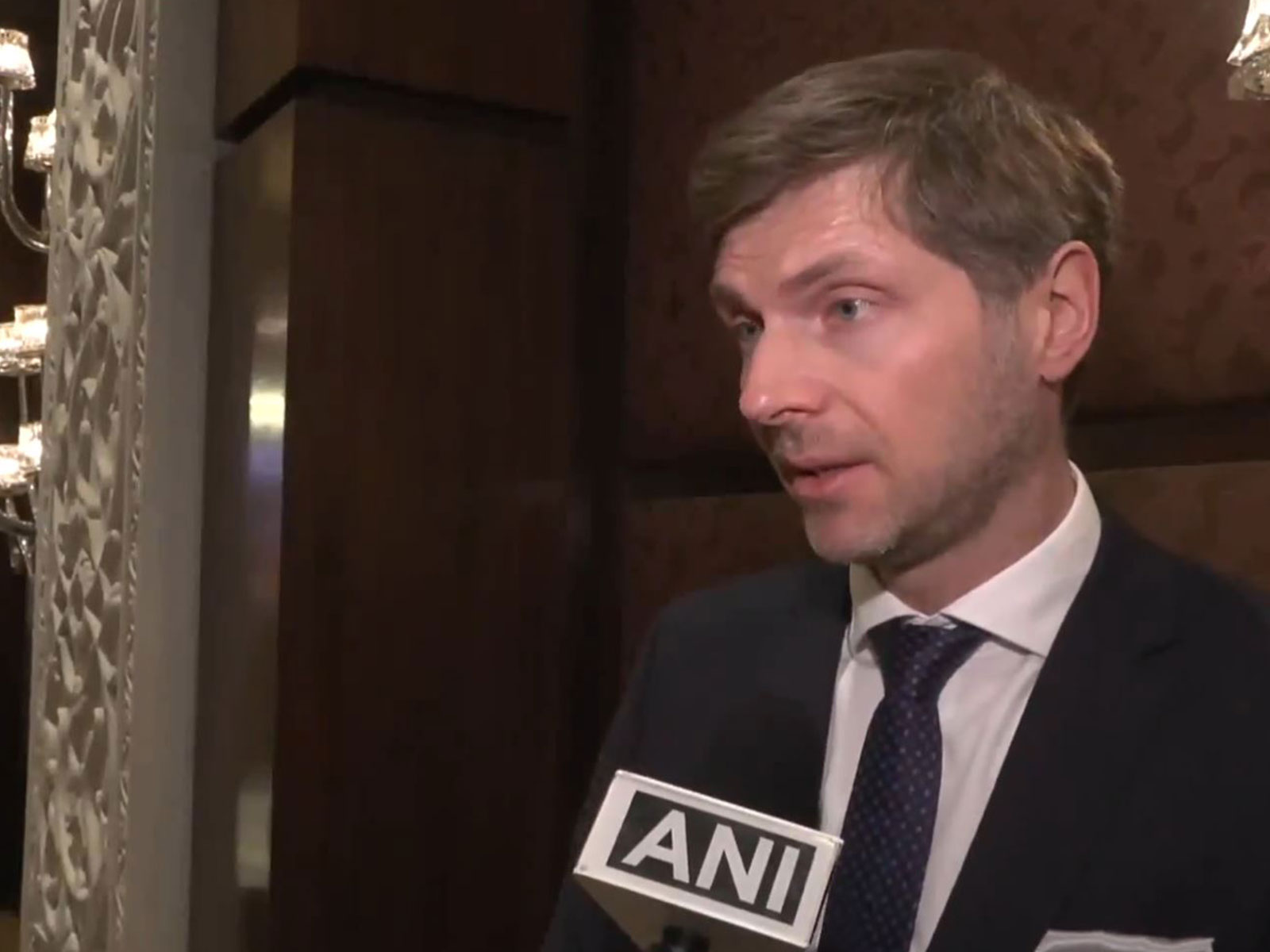
Reacting to the geopolitical shifts, Jaroslaw Cwiek-Karpowicz, Director of the Polish Institute of International Affairs, told ANI that while India’s reliance on Russian crude is understandable, diversification remains key to global security.
“It is a very good sign that India is trying to decrease the number of Russian crude oil imports compared to the previous years. We can imagine that for the Indian economy, Russian crude oil is quite important. We try to convince our Indian partners that Russia’s policy in Europe is very dangerous not only for Europe but also for the rest of the world. This is why it is much more important to develop other destinations and import crude oil from other countries,” Cwiek-Karpowicz said.
He further highlighted the risks posed by the burgeoning “Russian-Chinese” nexus, stating, “China also is a very important economic partner for Europe and the world. But we should be very careful because the Chinese-Russian relations are very strong. And China, de facto, is supporting Russia’s aggressive war against Ukraine. Russia still has financial support, technological support from China, from North Korea as well, and Iran. For Europe and Poland, it’s important to sanction Russia and to limit Chinese-Russian economic cooperation.”
Cwiek-Karpowicz suggested that India explore markets in South America, Brazil, the Caribbean, and Africa to diversify routes. “I strongly support US-India economic relations because it will allow India to be much more independent and play a much more constructive role in terms of global affairs,” he added.
Echoing the sentiment of growing bilateral trust, Frantisek Ruzicka, Deputy Secretary-General at the Organisation for Economic Co-operation and Development (OECD), observed in an interaction with ANI that the US-India relationship is successfully navigating complex global dynamics.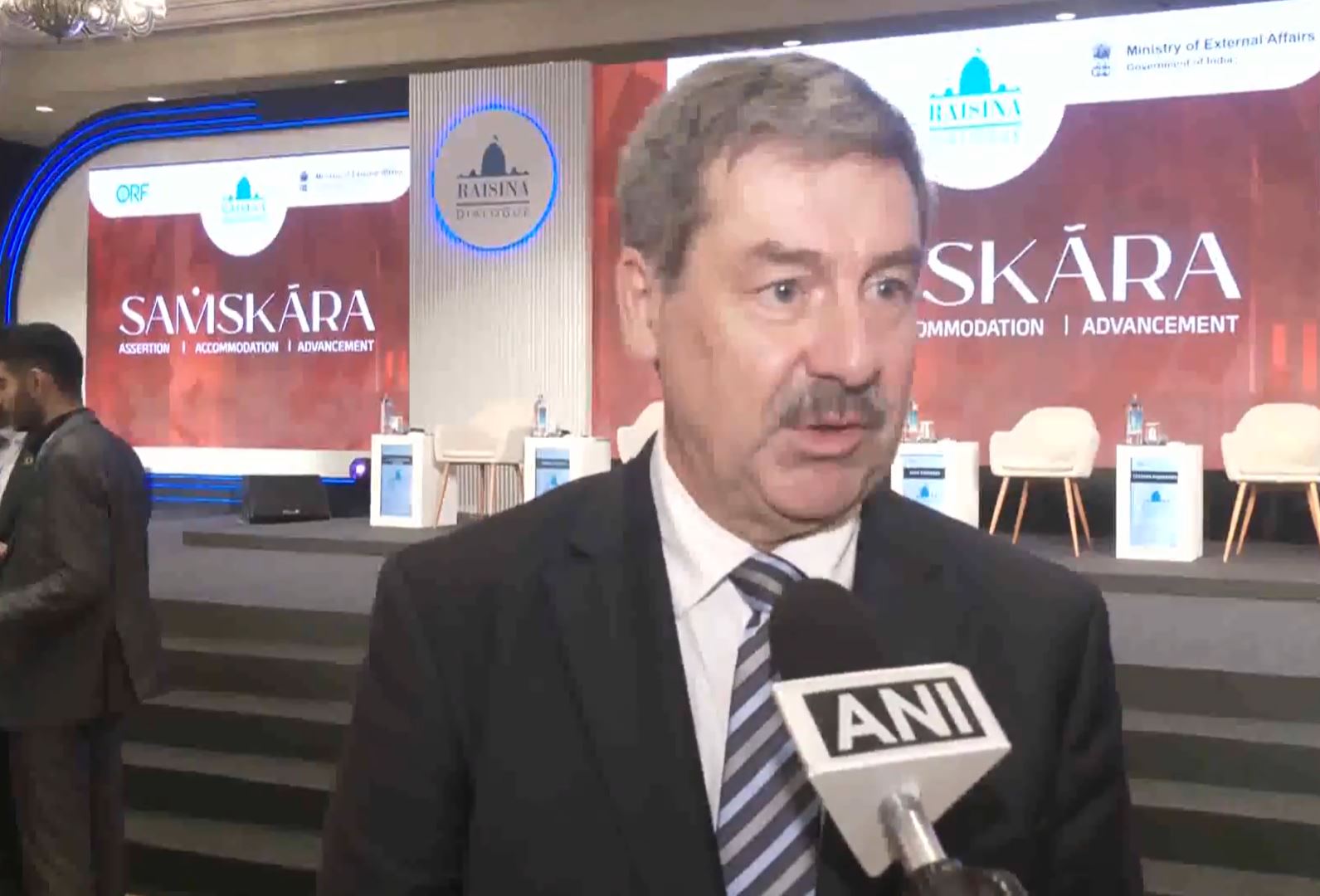
“In today’s world, it is important that the relations between US and India are growing and solving the issues that may emerge as problems, but tomorrow would appear to be of benefit for both the countries,” Ruzicka noted.
Addressing the oil procurement issue, he maintained that the international community trusts India’s strategic judgment.
“We must look at the complexity and dynamics of the global situation. Russia is aggressive vis-a-vis Ukraine. It is on the side of India to decide and to look for partners in every aspect, and we really trust India that India will find the best solutions on how to assist and how to be an important player in the global world in settling or assisting in solving the problems that we are facing today,” he said.
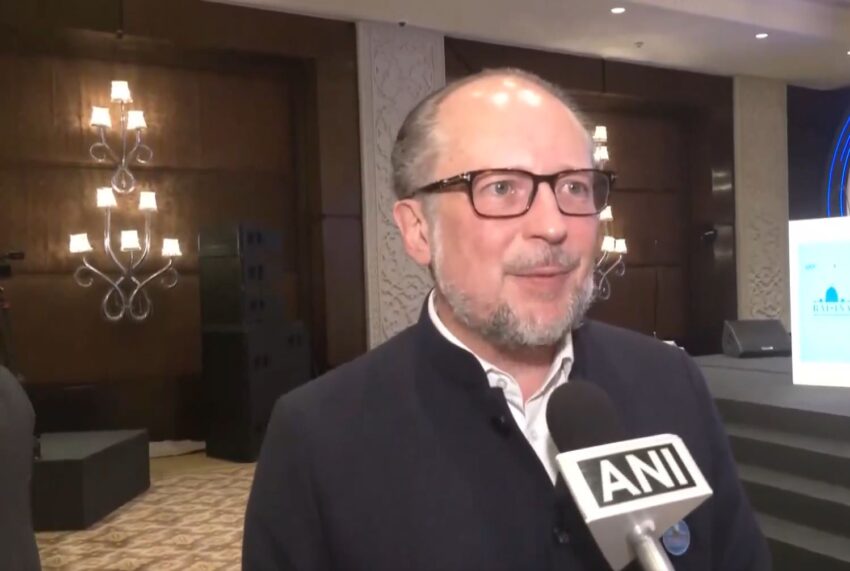
Furthermore, Alexander Schallenberg, Former Federal Chancellor of Austria, speaking to ANI, remarked on the dramatic transformation of India’s global standing.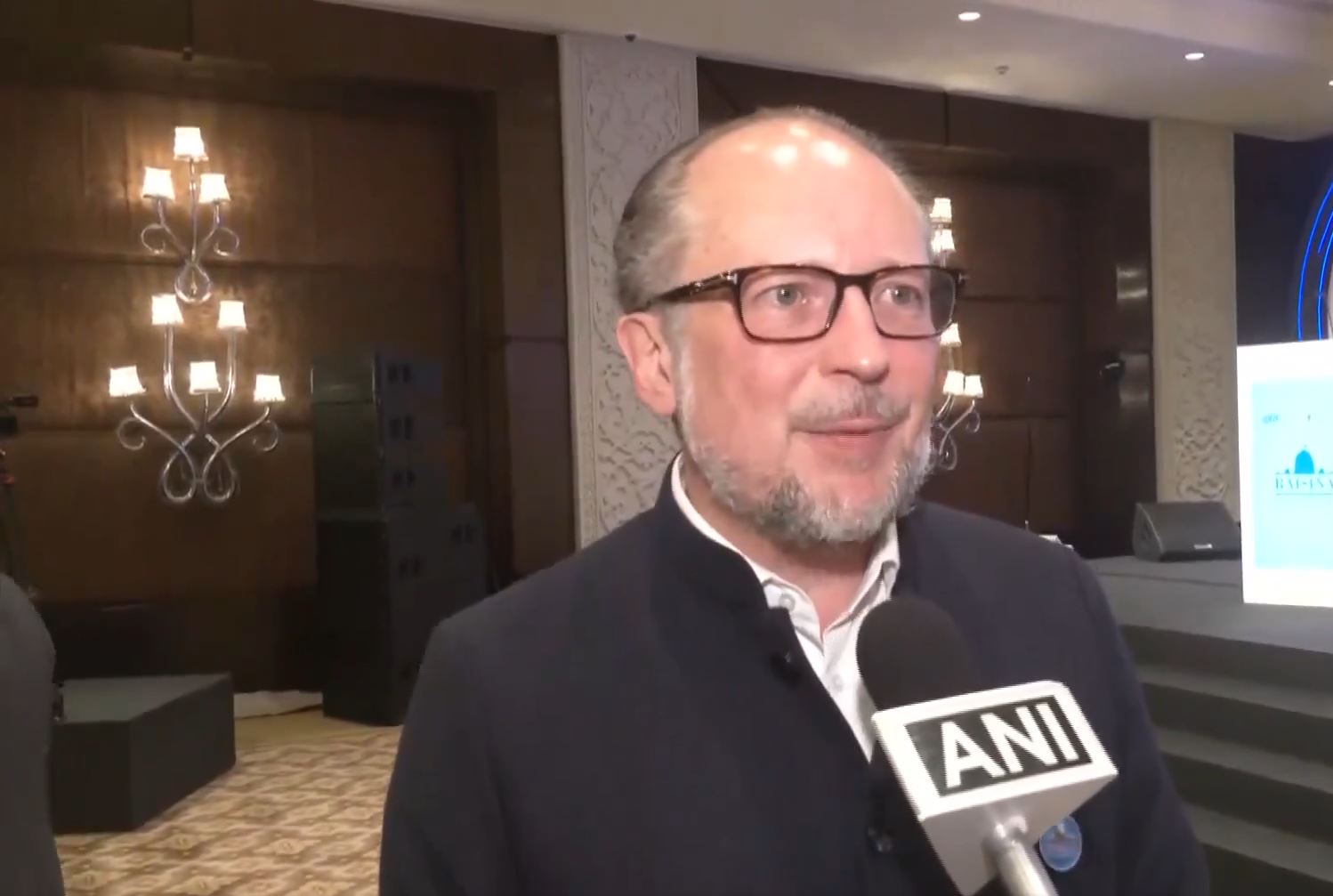
“The world has changed dramatically over the last couple of years and will continue to change. India of today is not the India of 20 years ago, and neither is the US or Europe. The future of cooperation between India and Europe, and Austria particularly, is looking extremely promising. I believe nobody would repeat this statement today,” Schallenberg said.
On the specific matter of the US waiver and energy choices, Schallenberg asserted that sovereign decisions must be respected.
“Every country is free to purchase the products they want. We are on a different planet today, and sometimes you have to think twice about what you get from whom. But at the end, it’s an Indian decision,” he remarked.
The diplomatic consensus at the dialogue reflects a broader recognition of India’s careful balancing act as it manages its energy security while strengthening ties with Western partners amidst the escalating West Asia crisis. (ANI)