

Kathmandu [Nepal], March 5 (ANI): Voting for Nepal’s 2026 general election commenced on Thursday, with citizens across the capital turning out to exercise their franchise. This high-stakes poll follows a period of intense political upheaval, triggered by the unprecedented “Gen Z movement” in September that ousted the KP Sharma Oli-led coalition government and resulted in the dissolution of the House of Representatives.
The Election Commission, bolstered by the Sushila Karki administration, confirmed that all logistical hurdles have been cleared to facilitate the transition to an elected government after a six-month interim period.
According to a report by The Kathmandu Post, the groundwork for these elections was laid on September 12, when Karki, in her debut act as executive head, recommended the house dissolution to President Ramchandra Paudel.
“All the arrangements for free, fair, transparent and peaceful elections are in place,” stated acting chief election commissioner Ram Prasad Bhandari. He further “urged everyone to exercise their franchise without fear” during the 10-hour voting window, which spans from 7 am until 5 pm.
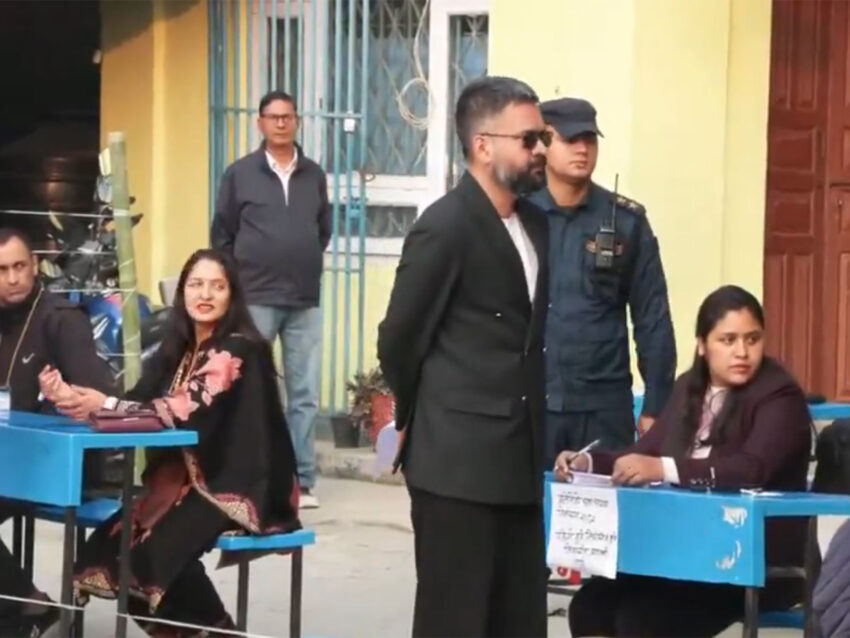
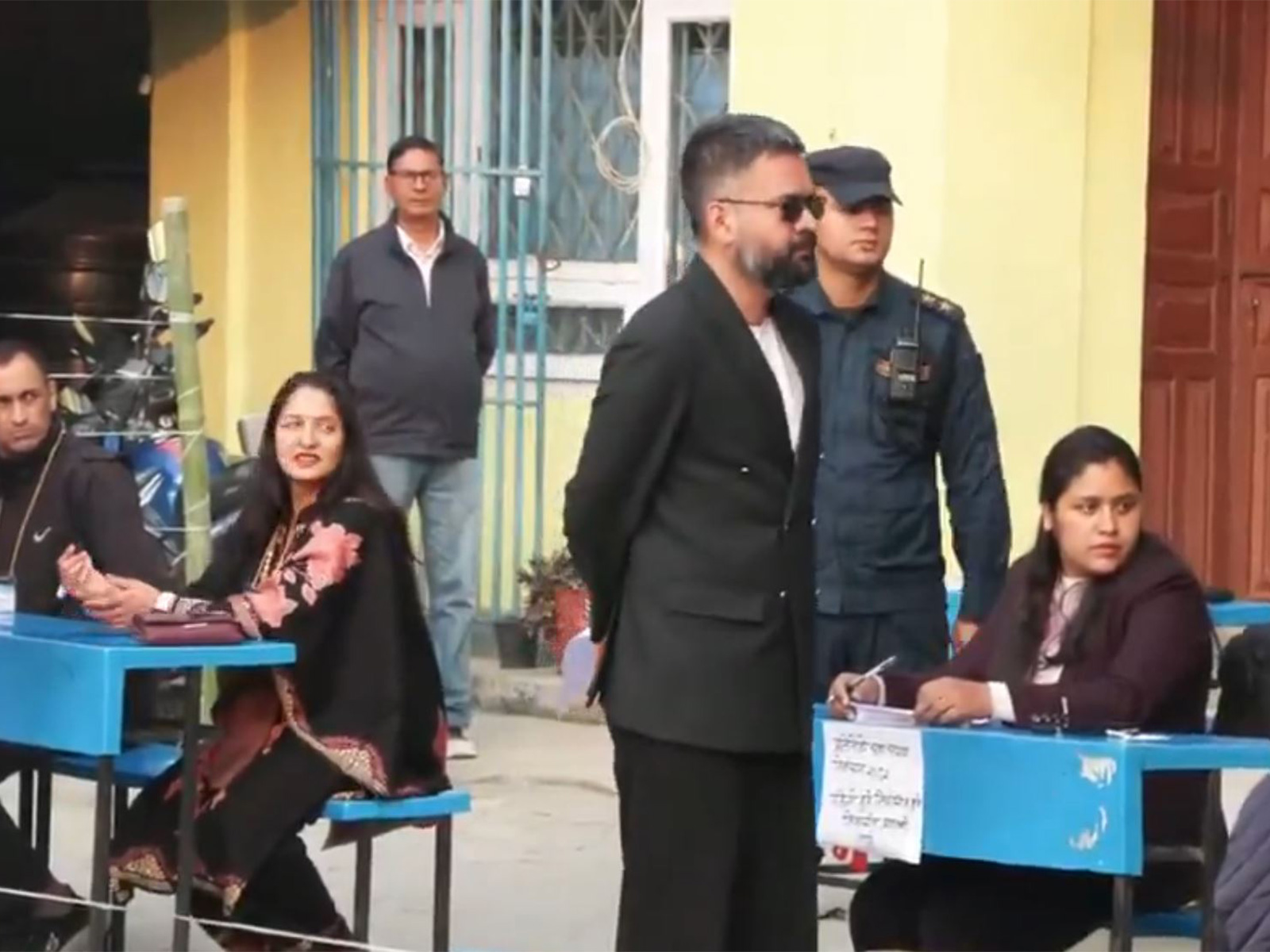
Visuals from the Annapurna Vinayak School polling centre showed early voters lining up as the process got underway, with former mayor and popular rapper Balendra ‘Balen’ Shah among those casting their ballots.
Data indicates a significant demographic shift, with a total of 18,903,689 registered voters–an increase of over 915,000 since 2022. The Kathmandu Post highlighted that 52 per cent of these voters are aged between 18 and 40, placing the decisive power largely in the hands of the youth.
These voters will determine the future of 6,541 candidates competing for 275 seats in the House of Representatives.
Under the first-past-the-post (FPTP) system, 2,263 candidates represent 65 different parties, while 1,143 are running as independents.
However, gender representation remains skewed in the direct elections, featuring 3,017 men and only 388 women, with a single candidate representing the sexual and gender minority community.
To maintain order, security remains a top priority with a massive mobilisation of 341,113 personnel. This force includes 149,000 temporary “election police” recruited specifically for this 40-day period.
The Kathmandu Post noted that a Security Council meeting chaired by Prime Minister Karki on Wednesday concluded that the current arrangements would likely make this election more transparent and peaceful than previous cycles.
“No force can disrupt the election,” Bhandari asserted, expressing confidence that the surge in young voters would boost turnout and reduce the number of invalid ballots.
Historically, voter participation in Nepal has averaged 69.4 per cent since 2006, and officials are now aiming to surpass the low 61.4 per cent turnout seen in 2022.
To expedite the process, authorities plan to use helicopters to transport ballot boxes from remote hilly regions.
As per The Kathmandu Post, the commission intends to begin publishing FPTP results “within 24 hours after vote counting begins.” (ANI)