

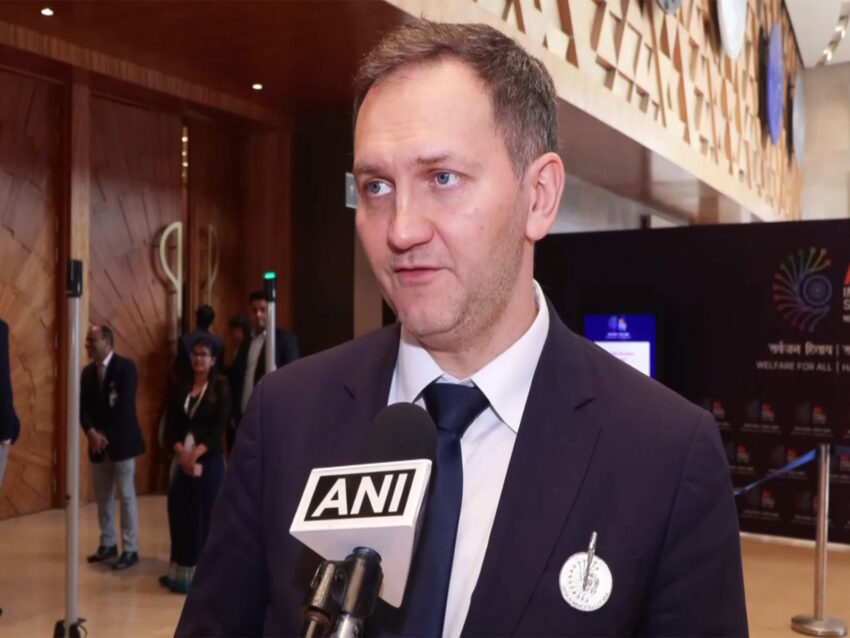
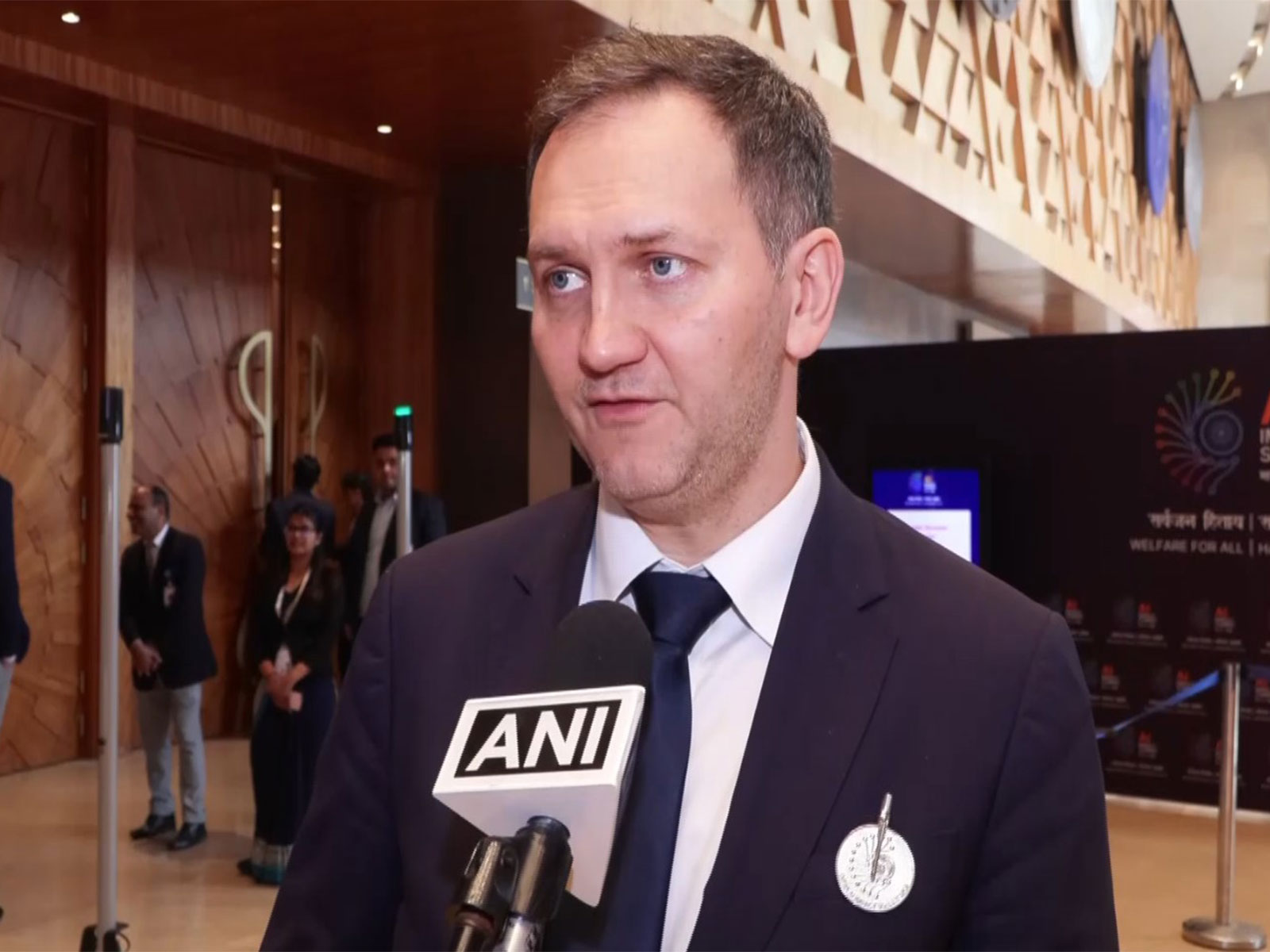
New Delhi [India], February 19 (ANI): Poland’s Undersecretary of State at the Ministry of Digital Affairs, Rafal Rosinski, participating in the India AI Impact Summit 2026, on Thursday, said that AI development must remain inclusive and human-centric, echoing sentiments expressed by Prime Minister Narendra Modi at the ongoing India AI Impact Summit 2026.
Speaking to ANI, Rosinski described the gathering as a “very important event” and congratulated the organisers, particularly Prime Minister Narendra Modi, for bringing together leaders and global policymakers from across the world.
“I think today, the Summit AI it’s very important event. It’s very important to have and congratulations for the organisation, for India, especially for Prime Minister Modi. It was also a great opportunity to talk with other countries, with other people from the government,” he said.
Highlighting key takeaways from the discussions, Rosinski said the primary conclusion was that artificial intelligence must be inclusive and centred around human needs.
“AI has to be inclusive, and AI human-centric. The Prime Minister Modi also said we agree, everybody said in this that is the main conclusion,” he noted.
He said discussions also focused on both the advantages and risks associated with AI, particularly generative AI and large language models (LLMs). Stressing the importance of national capabilities, Rosinski revealed that Poland is developing its own national large language model to better train on domestic data and understand the Polish language.
“In our country, we also develop our own national LLM. It is important to train on national data and to understand the national language. That is also a great and big opportunity for the companies, they can be more competitive,” he said.
Rosinski also emphasised the importance of strengthening digital skills among citizens, particularly senior citizens.
“It’s also very important to develop digital skills for our citizens. But of course, we can also see the risk of this approach of AI, generative AI, that we talk about skills, digital skills from years, and we have to support our citizens, especially seniors,” he said, while acknowledging the potential risks associated with generative AI.
Responding to a question on the recently announced Europe-India FTA and its potential to deepen cooperation in the digital and AI sectors, the Polish official stressed the need for global collaboration.
“If we think about AI, we have to think global. That is very important cooperation between countries, between countries from Europe, from Asia, from America. That’s very important to be together and to develop this idea. This is also very crucial for space technology, and I think that AI has no borders, yes, and we have to think together,” he said, adding that such agreements could also boost cooperation in space technology and other emerging technologies. (ANI)