

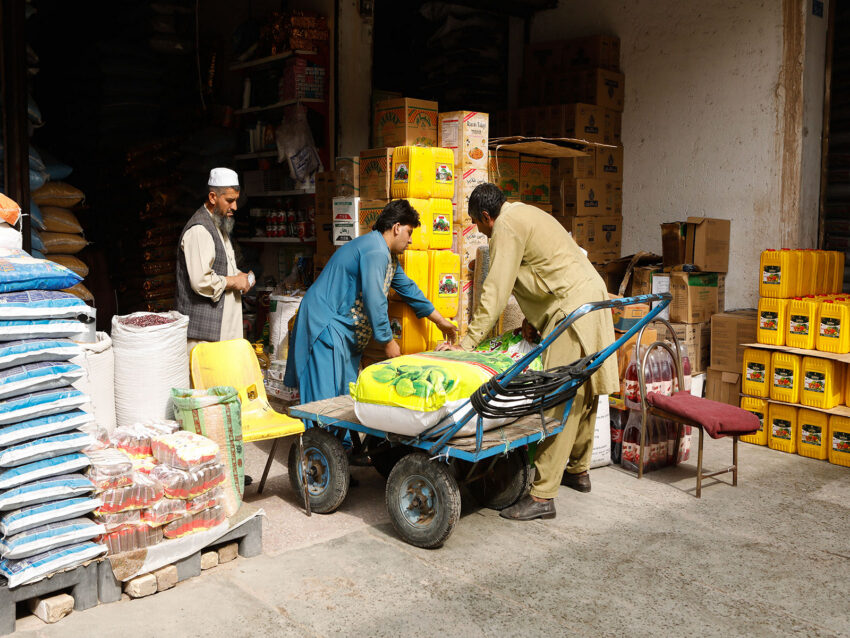
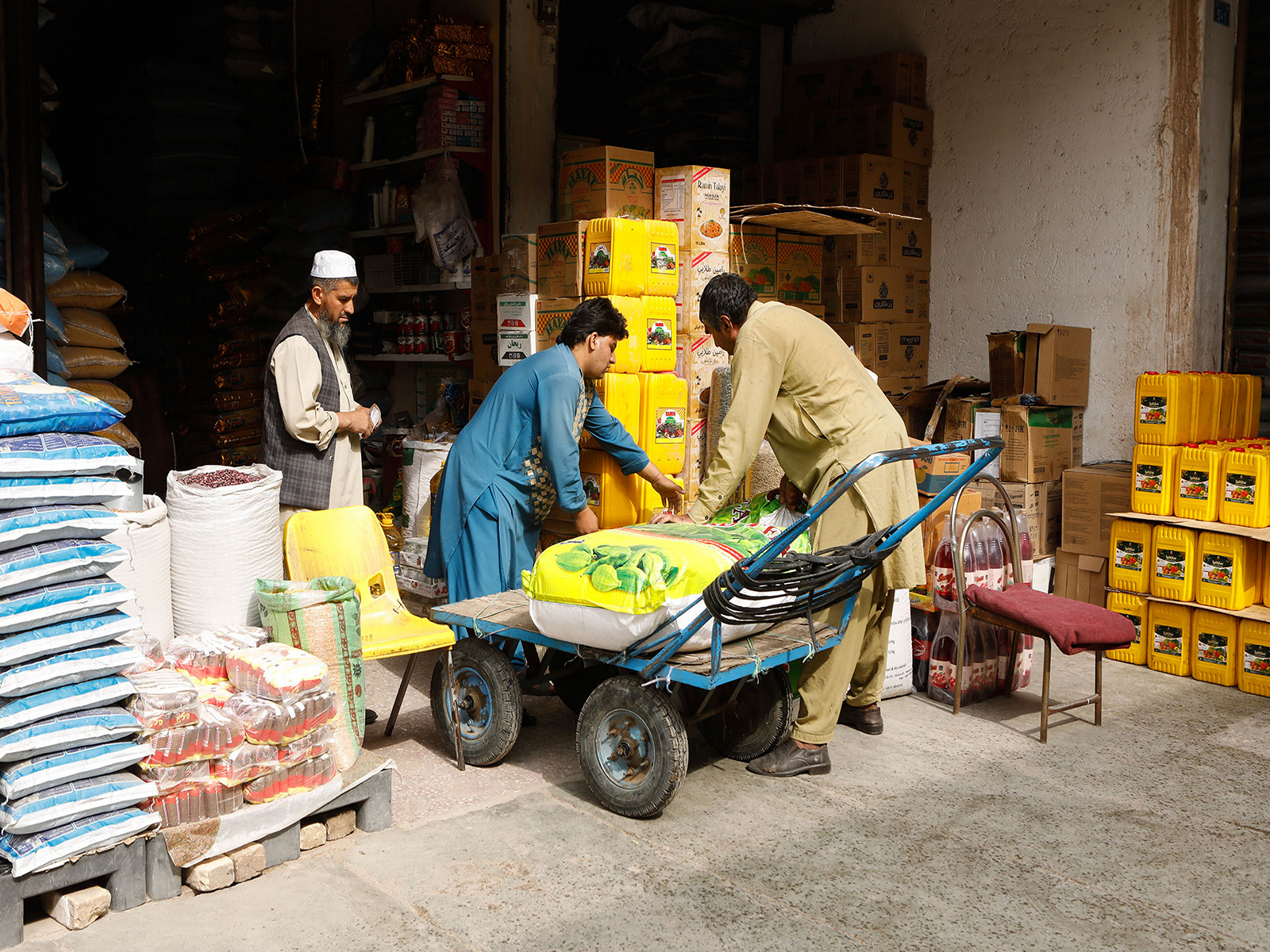
Kabul [Afghanistan], February 12 (ANI): Afghanistan and Japan’s trade reached $97 million last year, despite the absence of direct Japanese investment in the country, reported Tolo News.
Kenichi Masamoto, Japan’s ambassador to Afghanistan, divulged that although Japan has not made investments in Afghanistan, trade exists between Kabul and Tokyo and a large portion of Japan’s trade with Afghanistan is indirect and conducted through third countries.
“At present, we do not see direct Japanese investment in Afghanistan, but we do have trade. We export machinery and machinery parts. Direct trade is limited; however, some Japanese vehicles and their spare parts enter Afghanistan through third countries. Therefore, trade exists, and there is also larger indirect trade taking place,” said Japan’s ambassador.
Japan exports machinery and parts to Afghanistan, mostly through third countries. Afghan exports to Japan include medicinal plants, dried fruits, and nuts, while imports include vehicles, machinery, and spare parts.
The Ministry of Industry and Commerce of the Islamic Emirate of Afghanistan reported that trade volume between Afghanistan and Japan reached $97 million last year, of which $2 million was exports and $95 million was imports, reported Tolo News.
Akhundzada Abdul Salam Jawad, spokesperson for the Ministry of Industry and Commerce, said: “The main export items to Japan include medicinal plants, raisins, dried figs, pistachio kernels, fresh fruits, almond kernels, and dried apricots. The main imports from Japan include motorcycles, high-speed vehicles, tyres and tubes, vehicle spare parts, and bicycles.”
Economic analysts suggest Afghanistan should leverage opportunities to attract Japanese investment, particularly in technology, infrastructure, and energy. Japan can assist in technology transfer, production standards, and industrial capacity building.
Ahmad Ferdous Behgozin, an economic analyst, said, “Japan can assist Afghanistan in technology transfer, improving production standards, and strengthening industrial capacity. On the other hand, trade relations with Japan send a message to the world that Afghanistan seeks constructive and balanced engagement.”
Afghanistan trades with over 80 countries globally, with Japan being a key partner.
Another economic analyst, Shakir Yaqoubi, said: “Considering the future pathways for our country, establishing a structured and well-managed relationship with Japan could be highly important, particularly in infrastructure, energy sectors, education, and technology, where Japan can play a very effective role.” (ANI)