

Dhaka [Bangladesh], February 10 (ANI): As the deadline for the national parliamentary elections in Bangladesh approaches, political campaigning is in its final phase, with candidates intensifying their efforts.
In these final stages, candidates and their supporters are going door-to-door, organising rallies, speaking on microphones, and decorating the entire country with colourful posters and banners.
According to Bangladesh’s election laws, official campaigning ends 48 hours before voting begins.
Therefore, as voting is expected to start at 7.30 am on February 12, the campaigning will end at 7.30 pm on February 10.
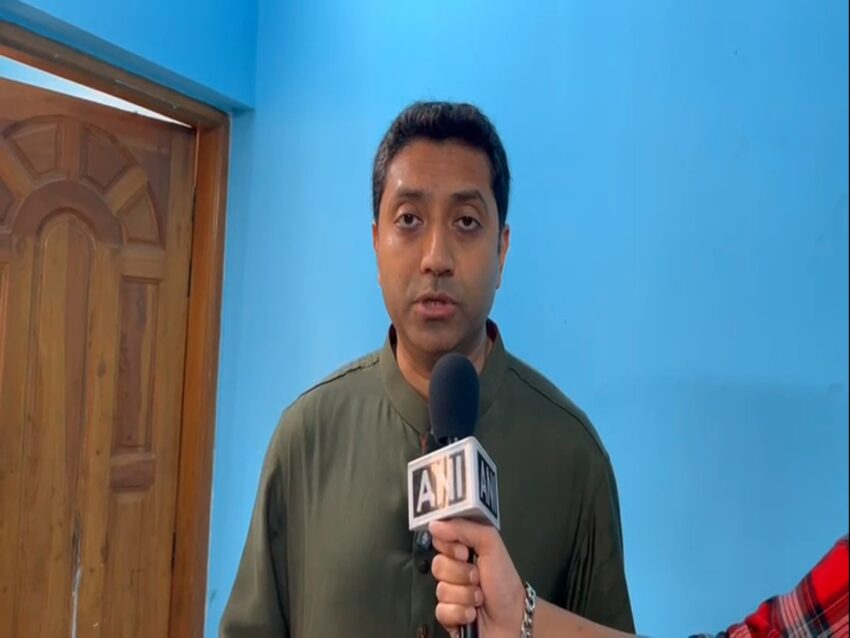
Bobby Hajjaj, the Bangladesh Nationalist Party (BNP) candidate for the Dhaka-13 constituency, expressed his optimism and determination as the election campaign entered its final hours.
Speaking to ANI, Hajjaj said, “We literally have only a few more hours. So, we are trying our best to do as much as we can in the last few hours of the election campaign. It has been wonderful so far. We have been able to connect with the public, and the public has shown a great deal of enthusiasm because it has been almost two decades. Gen Z or the younger generation have no experience of voting because their voting rights were restricted for last almost two decades. We are hopeful for the future.”
Meanwhile, a sharp rise in Islamist politics following the July 2024 uprising in Bangladesh could have widespread negative consequences, particularly for women, according to a new research report released in Dhaka on Sunday.
The report, titled “Rupture, Reform, and Reimagining Democracy: Navigating the Agony of Transition,” was published by the BRAC Institute of Governance and Development (BIGD). It examines the political and ideological shifts that have taken place since the uprising that led to the fall of the Sheikh Hasina-led government.
Explaining the findings, Mirza M Hassan, PhD, one of the authors of the report, said the uprising did not result in the deep structural transformation many had anticipated.
“I’ll be very brief about it. We thought there would be a change in the political order in terms of, party system, in terms of, reforms, and massive changes in the elite structure. There has to be a new elite structure, a new elite circulation. These things should have happened, and also a certain degree of rule of law. That didn’t happen. Rather, we saw a chaotic situation, chaotic governance, a weak interim government who couldn’t control the mobocracy and promote the democratic aspiration of the people. So in that sense, it would be an exaggeration to call it a rupture. It’s rather, you know, some kind of, you know, some changes. More than regime changes, but not more than that. It wasn’t a rupture. So that’s the outcome of the uprising,” Hassan said. (ANI)