

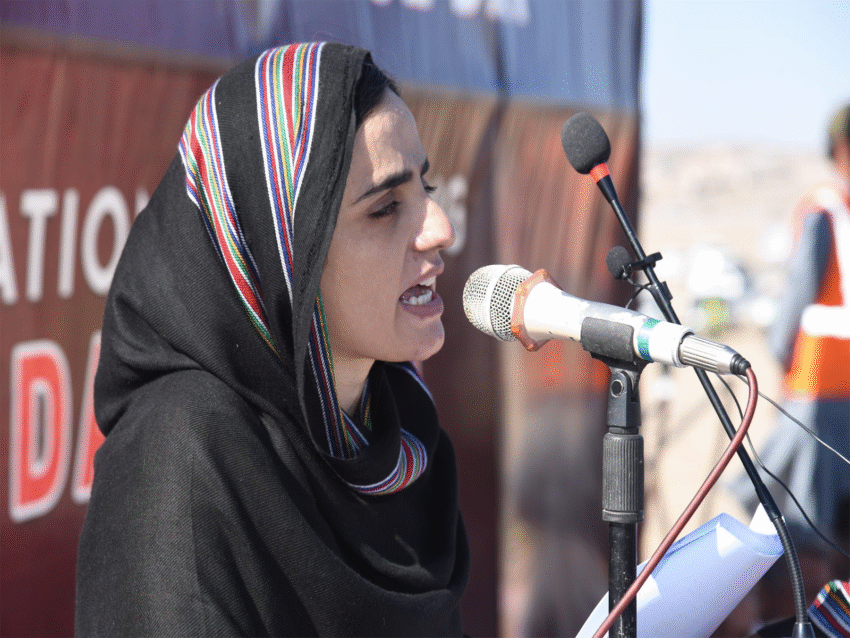
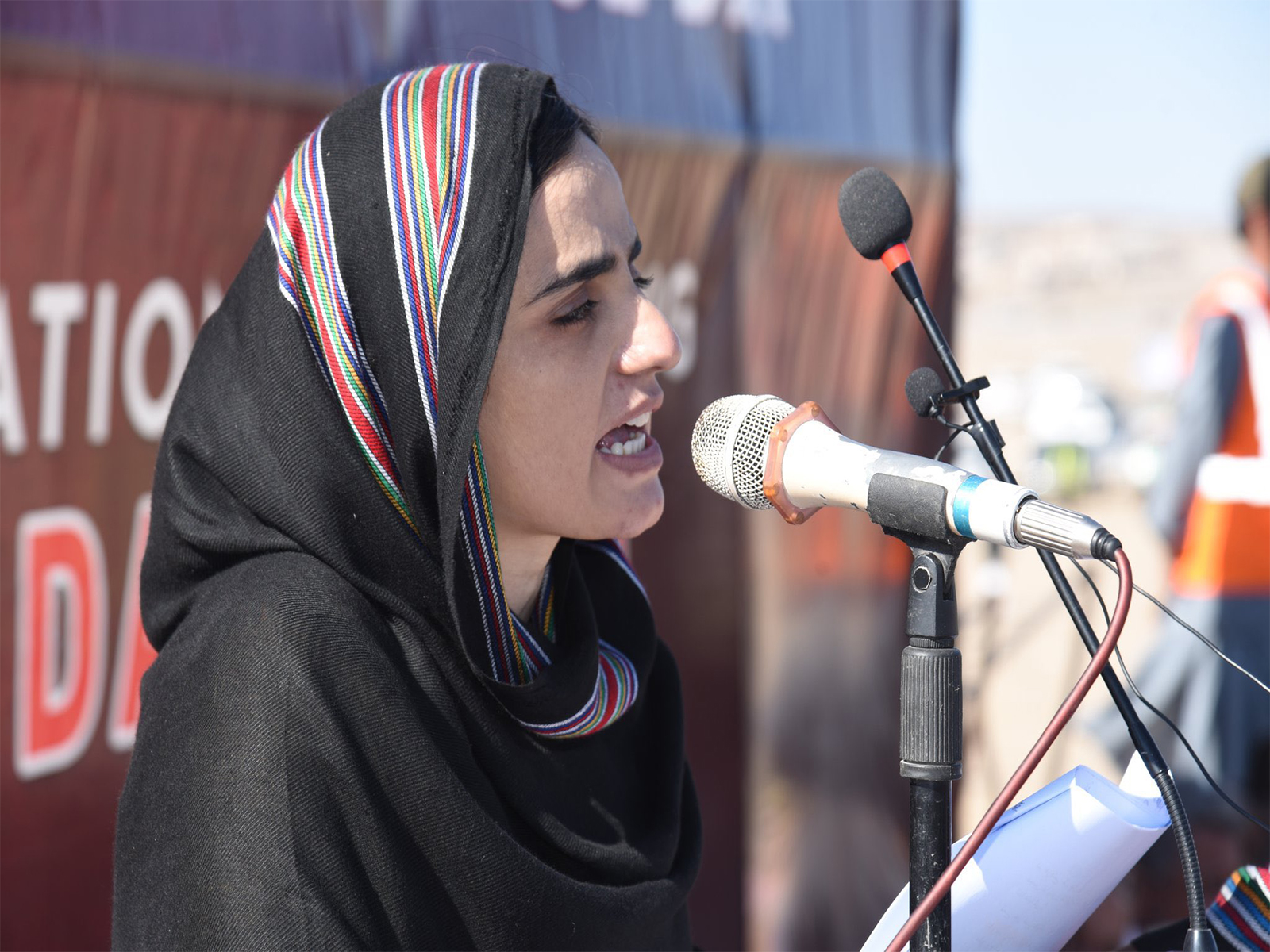
Balochistan [Pakistan], February 1 (ANI): The enforced disappearance of Baloch women represents a grave escalation of state violence in Balochistan and must be viewed through frameworks of necropolitics, identity-based marginalisation and colonial governance, Central Organizer of the Baloch Yakjehti Committee, Mahrang Baloch, said in a detailed post on X.
Mahrang Baloch wrote that for decades the Baloch have been treated as a “suspect population,” governed through coercion and exclusion rather than citizenship, consent or inclusion. She said enforced disappearances, long used against Baloch men, have now expanded into a gendered strategy targeting women and girls, including students, minors, pregnant women and persons with disabilities, many of whom have no political affiliation.
According to her post, this shift reflects a form of “necropolitical power,” where the state decides whose lives are protected and whose can be erased into social and legal nonexistence. She argued that Baloch identity itself has been criminalised, turning enforced disappearance into a form of collective punishment aimed at instilling fear and controlling an entire population.
Mahrang Baloch noted that rather than ensuring submission, such repression has exposed the limits of coercive rule. She said when Baloch men were disappeared, women emerged as central political actors, leading protests, approaching courts, confronting security institutions and seeking justice nationally and internationally. Their visibility, she added, challenged official narratives framing repression as security or counterterrorism measures.
She further stated that the targeting of women appears aimed at dismantling the social foundations of resistance by attacking those who sustain memory, care and political continuity. However, she said long-term repression often produces the opposite effect by deepening political awareness and collective resistance.
Referring to the magazine linked to her post, Mahrang Baloch said it serves as an archive of documentation, testimony, analysis and art, refusing to reduce enforced disappearances to statistics or isolated cases. She said the publication rejects neutrality in the face of systematic marginalisation and asserts that the disappearance of Baloch women is not a security measure but a colonial practice rooted in longstanding repression.
She emphasised that memory, documentation and collective action remain essential tools to resist erasure and control, as cited by Mahrang Baloch’s post on X. (ANI)