

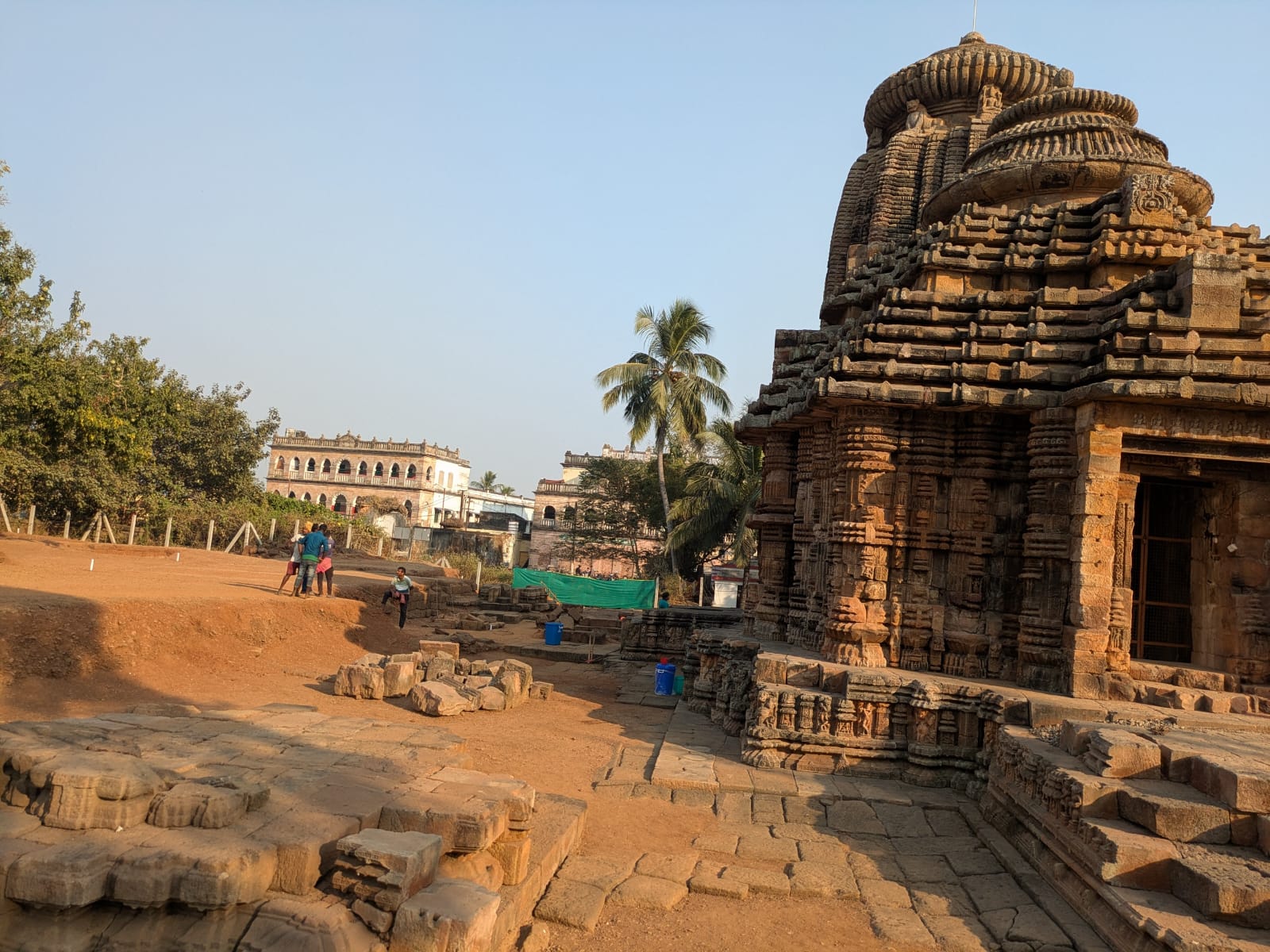
Bhubaneswar (Odisha) [India], January 18 (ANI): The Archaeological Survey of India (ASI) has officially resumed excavation work at the historic Sukasari temple complex in the Old Town area of Bhubaneswar, renewing efforts to uncover and preserve a significant 13th-century religious site dating back to the Ganga dynasty period.
Located in close proximity to the iconic 11th-century Lingaraj Temple, the Sukasari temple site had remained largely unexplored for nearly three years due to administrative hurdles and encroachments. The excavation was formally revived earlier this month as part of renewed efforts to document and protect Bhubaneswar’s ancient temple heritage.
Since work resumed on January 5, 2026, ASI archaeologists have made substantial progress at the site. Excavation teams have reached depths of nearly 20 feet below the present ground level, removing layers of accumulated debris and soil that had concealed the structures for centuries.
During the ongoing excavation, archaeologists have recovered a uniquely designed early idol of a deity, featuring rare artistic elements that have drawn the attention of heritage experts and scholars of iconography. In addition, numerous fragments of temple walls, intricately carved stone slabs, and pottery remains have been unearthed, pointing to a highly advanced architectural tradition of the period.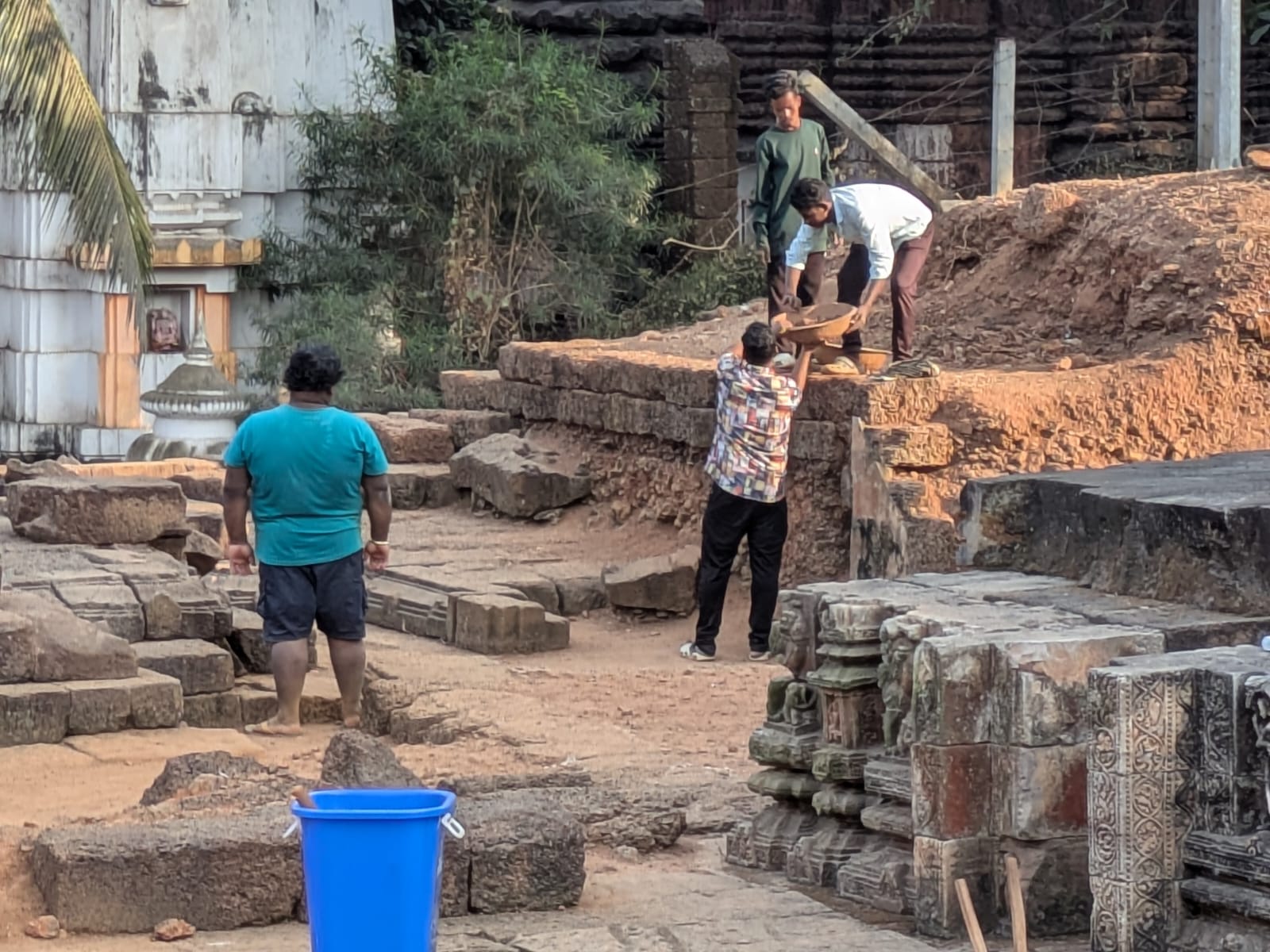
Current excavation efforts are focused on the Chatur Parasa, or four-sided enclosure, and the southern side of the Sari Deula complex, where archaeologists are attempting to locate the remaining portions of the Devi temple. The site is believed to have followed a Panchayatana-style temple layout, with a central shrine surrounded by four subsidiary temples.
While the nearby Lingaraj Temple represents the zenith of the Somavamshi architectural style, the Sukasari and Sari temples are regarded as fine examples of mature Kalinga architecture from the later Ganga period.
The entire area is replete with ancient structures buried beneath the surface. By resuming this dig, ASI hopes to confirm the exact layout of the complex and to ensure that these 800-year-old structures are preserved using traditional scientific methods.
The excavation also forms a key component of the larger Ekamra Kshetra (Temple City) heritage conservation initiative. The Sukasari site was first exposed during demolition drives in 2021 as part of a beautification project, during which several ancient structures were discovered beneath modern structures, including a former Sanskrit college.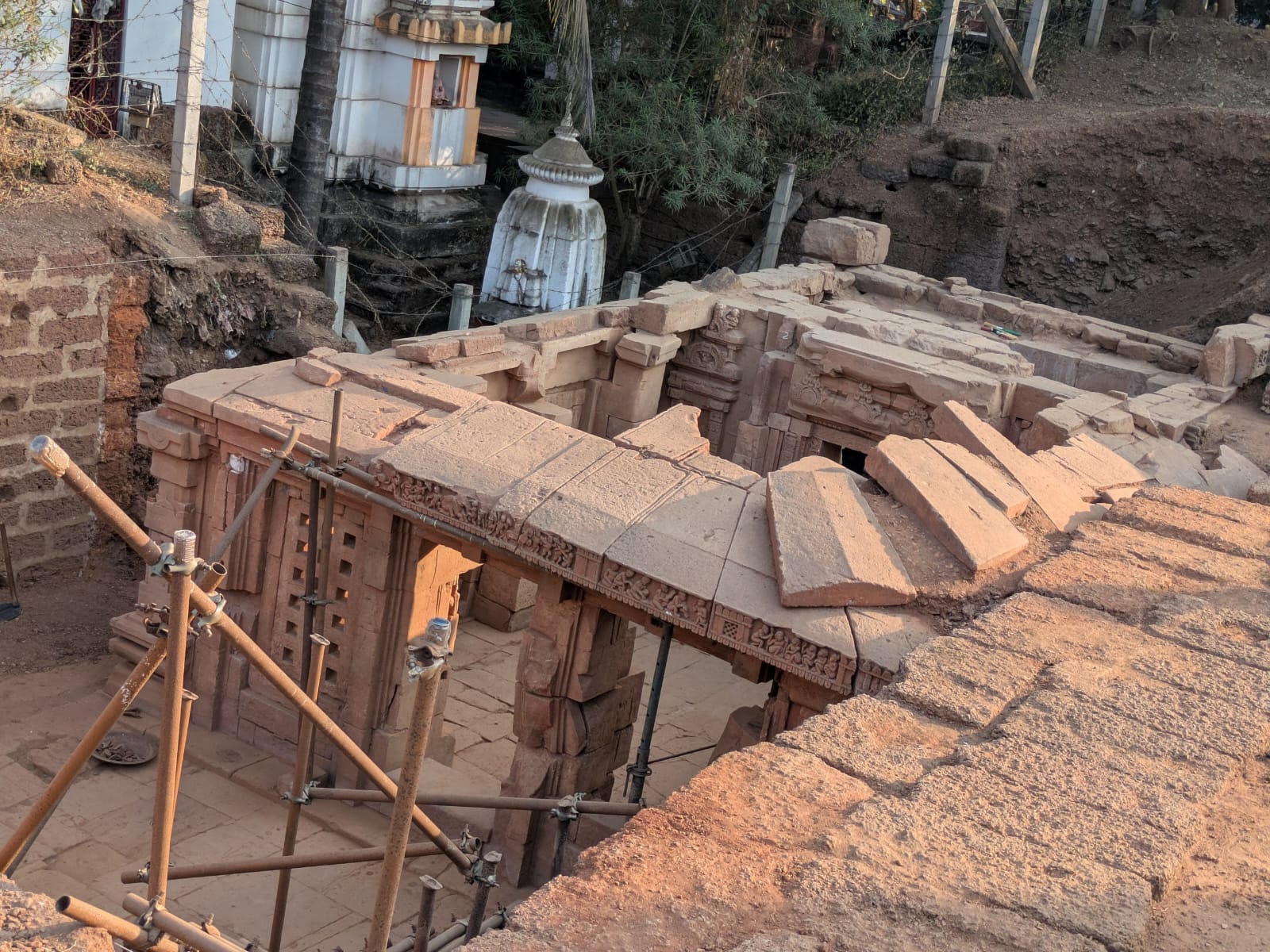
Historians believe the Sukasari temple complex once functioned as an important spiritual centre that complemented the Lingaraj Temple. Heritage experts have long argued that Bhubaneswar’s Old Town area may conceal thousands of smaller temples and religious structures beneath present-day urban development.
Anil Dhir, noted historian and Coordinator of the Indian National Trust for Art and Cultural Heritage (INTACH) for Odisha, has been among those advocating systematic excavation of the area. The renewed ASI effort is being seen as a major step towards documenting Bhubaneswar’s layered medieval history and preserving its architectural legacy for future generations. (ANI)