

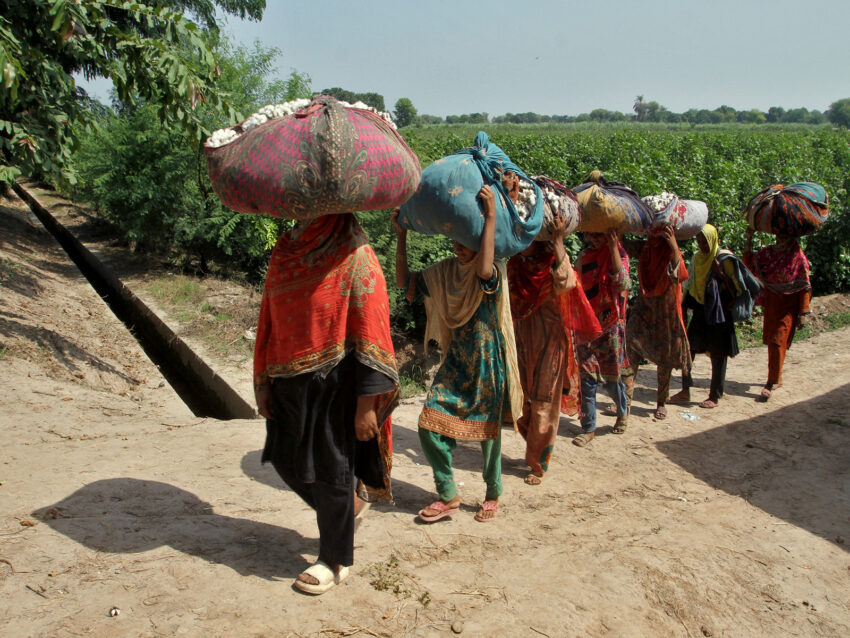

Lahore [Pakistan], January 1 (ANI): Pakistan’s agriculture sector, long considered the backbone of the national economy, faced one of its most turbulent years in 2025 as climate shocks and policy missteps converged to deepen an already fragile situation.
Contributing nearly a quarter of the country’s GDP and employing over a third of the population, agriculture’s decline has raised fresh alarms about food security and rural livelihoods, as reported by The Express Tribune.
According to The Express Tribune, the situation was particularly difficult in Punjab, which produces nearly 70 per cent of Pakistan’s food grains. Erratic weather, rising input costs and inconsistent government policies severely disrupted farm activity.
The Economic Survey of Pakistan 2024-25 recorded agricultural growth at just 0.56 per cent, far below expectations, while the crop sector suffered major setbacks due to reduced acreage, falling yields and market instability. Flooding during the monsoon season compounded the crisis. Torrential rains, along with sudden water discharges from across the border, inundated large swathes of farmland in central and southern Punjab.
Crops such as wheat, cotton, sugarcane and rice were destroyed, while damaged irrigation networks and rural infrastructure delayed recovery. Official estimates suggest that agricultural losses nationwide crossed Rs430 billion, with Punjab accounting for the largest share.
Farmers on the ground describe devastating consequences. Many lost entire harvests just weeks before reaping, plunging households into debt and poverty. Compensation schemes, they say, failed to offset the damage. “We lost everything in days,” one farmer stated, adding that the destruction has pushed many families to the brink.
Agricultural leaders argue that the crisis is not merely the result of natural disasters but reflects deeper structural flaws. Pakistan Kissan Ittehad President Khalid Khokhar stated that farmers have incurred losses exceeding Rs2,200 billion in recent years due to flawed pricing policies and a market-driven wheat regime that favours middlemen over growers, as highlighted by The Express Tribune.
Business groups have echoed these concerns, warning that declining crop output, especially cotton, has hurt the textile sector and increased dependence on imports. Analysts stress that fragmented governance following devolution has weakened policy coordination, leaving provinces ill-equipped to manage pricing, research and risk mitigation.
Experts now argue that agriculture must be treated as a national priority rather than a provincial burden. Without urgent reforms, they warn, Pakistan risks prolonged food insecurity, rising imports and deepening rural distress, as reported by The Express Tribune. (ANI)